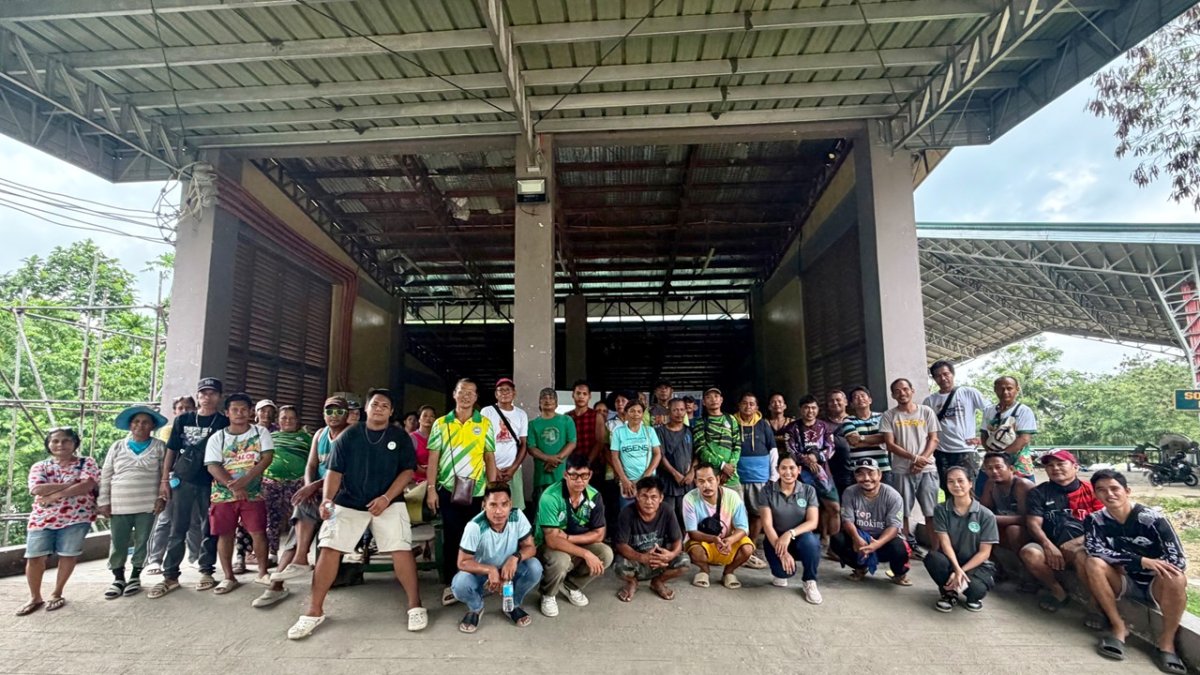
TAGBILARAN CITY, BOHOL — Waste Workers and Junkshops in Tagbilaran City, Bohol committed to strengthen the recovery and recycling of plastic waste in the city through the EPR-Driven Plastic Waste Management project, supported by the European Union-Philippines Green Economy Partnership.
The project aims to promote an inclusive approach to plastic waste management in Tagbilaran City, recognizing the vital role of waste workers and junkshop operators in the recycling value chain and as essential partners in advancing a local circular economy in the city.
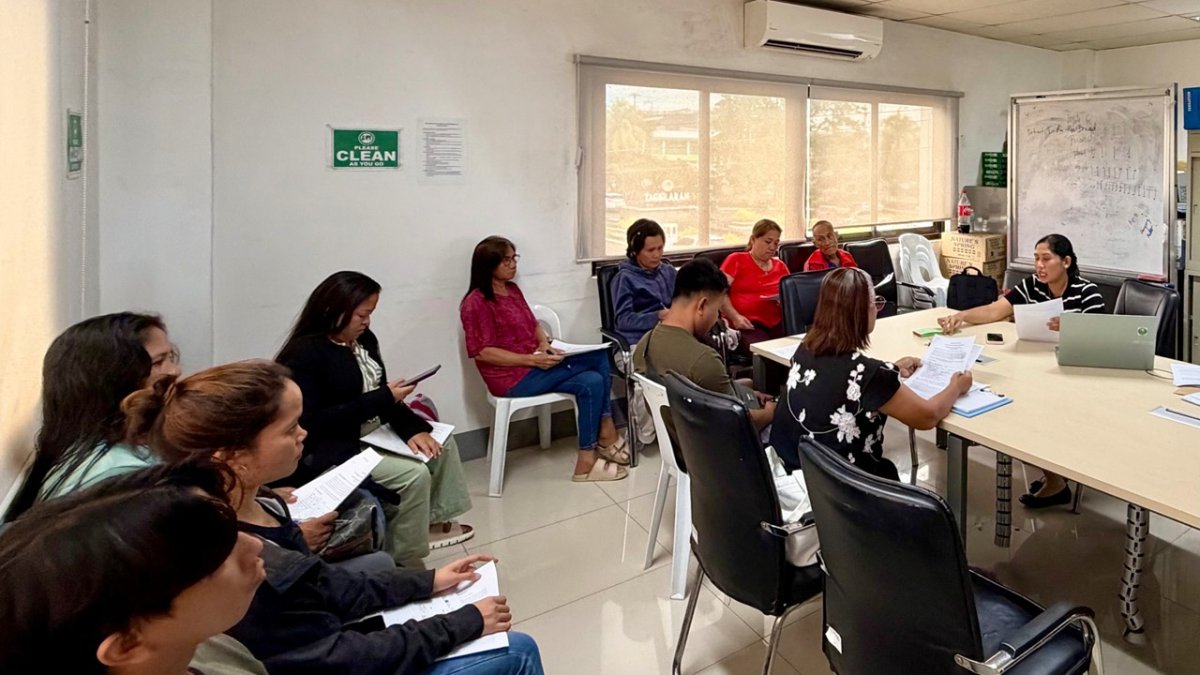
As part of its initiatives, the project conducted the regular monthly meeting with Waste Workers (WWs) on October 13, 2026, at the Tagbilaran City Central Material Recovery Facility (MRF), Barangay Dampas, Tagbilaran City, and a separate meeting with Junkshop Owners and Operators on October 30, 2026, at the City Administration Conference Hall, Tagbilaran City Hall.
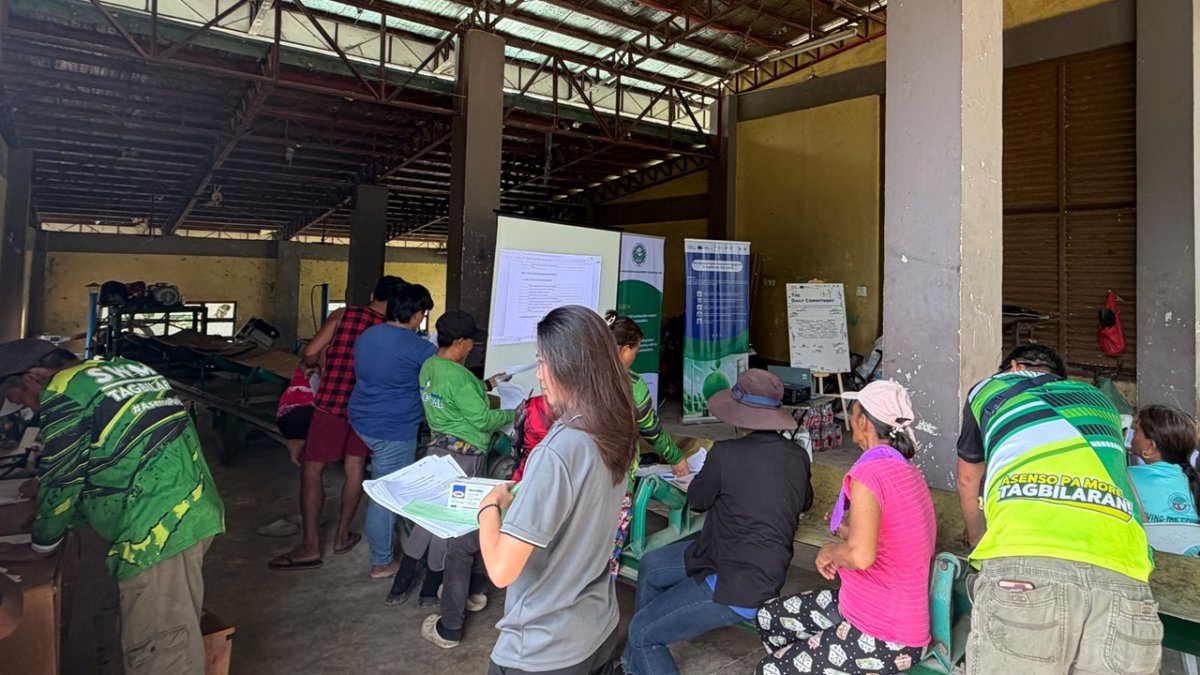
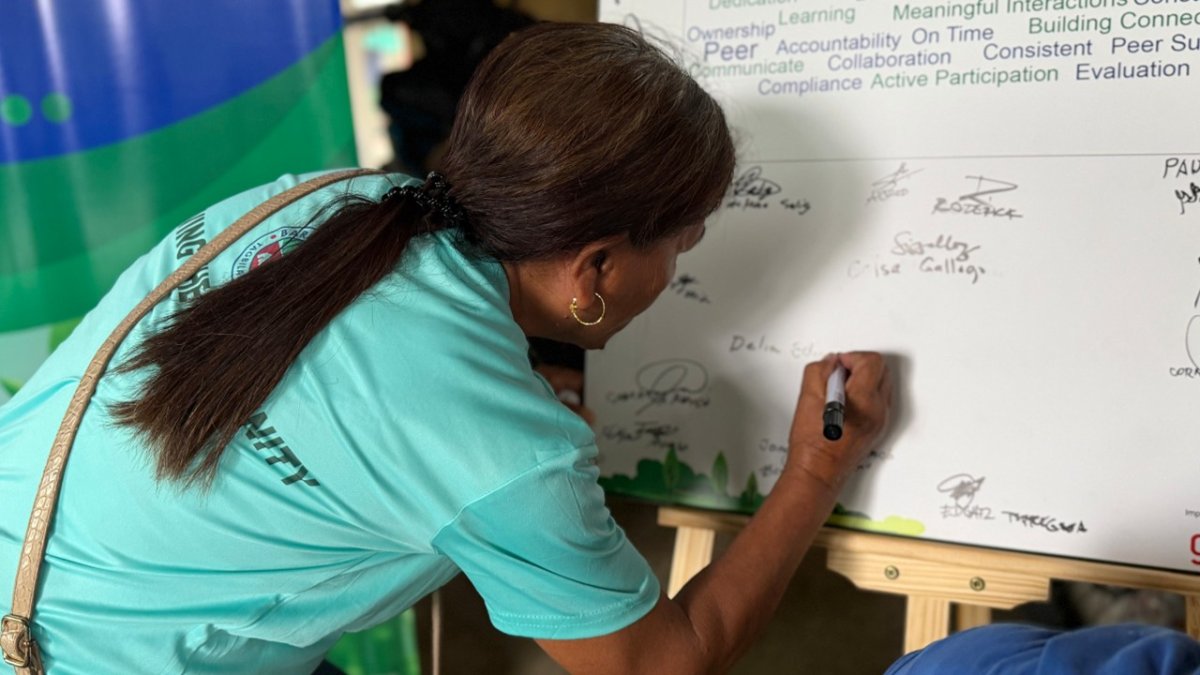
The activities confirmed waste workers and junkshop operators commitment to organize and collected baseline profile data in compliance with the Data Privacy Act of 2012 for sector organizational development and registration.
In addition, the sessions finalized the proposed organizational names and logos based on prior feedback, while providing a forum for participants to share sector-specific issues, experiences, and project commitments.
Furthermore, the activities sought the understanding of the project's objectives and expected outcomes while clarifying the respective roles and responsibilities of waste workers, junkshop operators, and other project partners in advancing local plastic waste recovery initiatives.
Activity Highlights
The monthly meeting for waste workers gathered 46 participants representing waste workers from the Tagbilaran City Central MRF, solid waste management workers, and barangay MRF workers from the project's three (3) demonstration barangays: Dampas, Tiptip, and Ubujan.
Meanwhile, the meeting for junkshop owners and operators was attended by 11 participants representing different junkshops operating in Tagbilaran City.
Both engagements provided opportunities for participants to gain a clearer understanding of the project's direction and the importance of their respective sectors in strengthening the local plastic waste management system.
Discussions emphasized how formal organization fosters collective action, mutual support, and recognition in plastic waste recovery. The meetings urged partners to help establish legally compliant, inclusive sectoral organizations that can serve as platforms to advance representation, capacity building, livelihoods, and stakeholder engagement.
Moreover, the sessions reinforced participants' understanding of the Extended Producer Responsibility (EPR) system and the important role of waste workers and junkshops in recovering recyclable materials, diverting plastic waste from disposal facilities, and returning valuable resources to the production cycle.
About the EPR-Driven Project
The EPR-Driven Plastic Waste Management in Tagbilaran City, Bohol Project aims to support Tagbilaran City's transition toward a circular economy by advancing sustainable solid waste management practices and supporting the implementation of the Extended Producer Responsibility (EPR) Act of 2022 (Republic Act No. 11898). The project also promotes knowledge-sharing and seeks to facilitate green investments and innovations from European EPR organizations, including sorting and recycling technologies, deposit return systems, waste tracking systems, and other solutions that advance plastic circularity and green packaging.
The project is being implemented through a partnership between the Bohol Integrated Development Foundation, Inc. (BIDEF) and the Participatory Research, Organization of Communities and Education towards Struggle for Self-reliance in Bohol (PROCESS-Bohol) under the European Union–Philippines Green Economy Partnership.
The European Union–Philippines Green Economy Partnership is a P3.67-billion (€60-million) priority programme of the European Union under its Global Gateway initiative, the European strategy for engaging with partners worldwide and promoting investments around shared priorities, including the transition to a green economy. Led by the Department of Environment and Natural Resources (DENR), the programme connects European and Filipino partners from the private sector and local governments to foster a circular economy while sustaining economic growth that benefits Filipinos.
The Policy and Alliances component of the programme, co-funded by a €12-million grant from the European Union and a €1-million contribution from the International Climate Initiative of the German Federal Ministry for the Environment, Climate Action, Nature Conservation and Nuclear Safety, and implemented by GIZ Philippines and the DENR–Environmental Management Bureau, supports policy development and fosters strong partnerships.