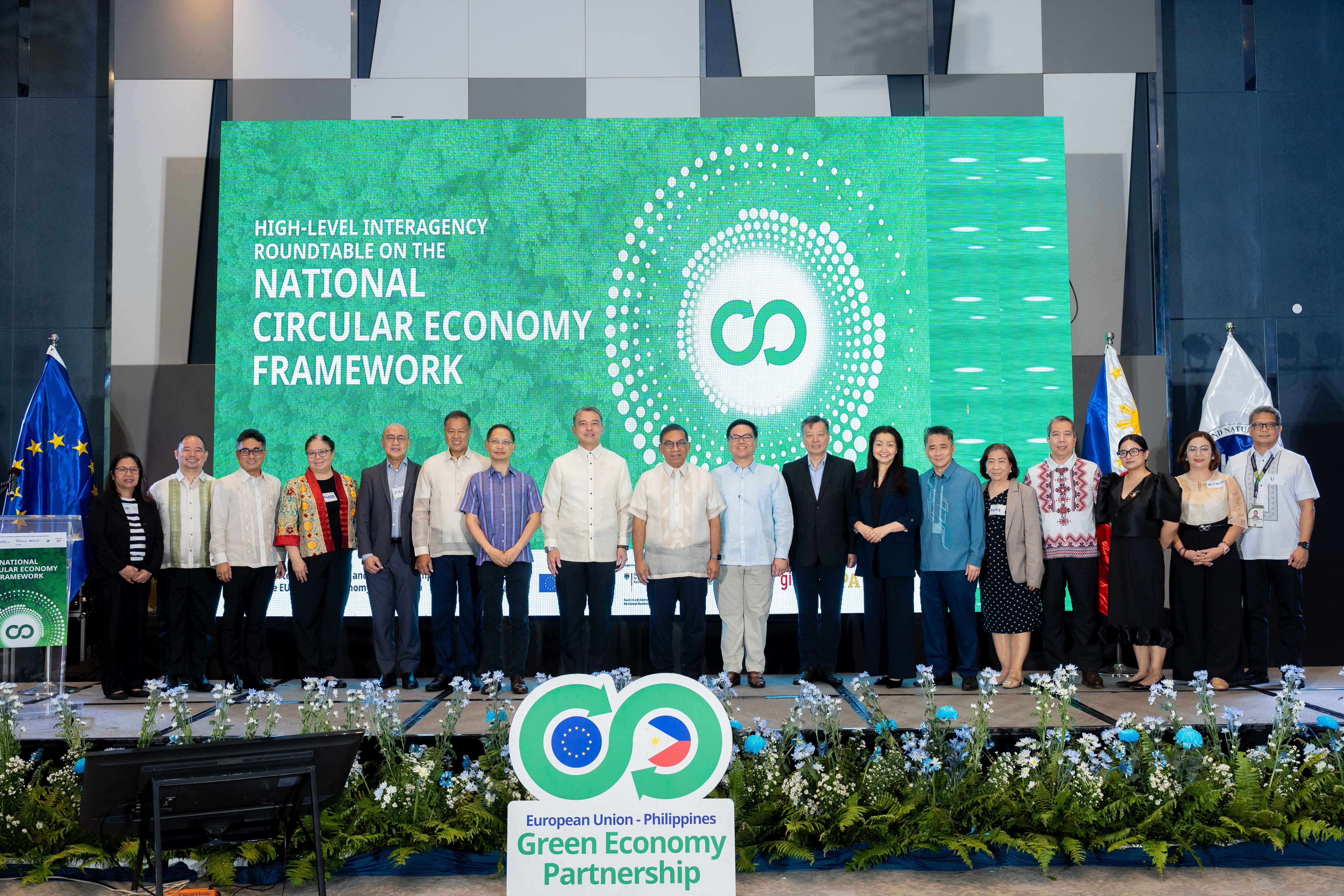
QUEZON CITY — Cabinet officials and senior government leaders came together this week in a landmark high-level dialogue aimed at shaping a shared national direction for the further development of Philippines Circular Economy (CE) Framework and its Implementation Roadmap.
Convened by the Department of Environment and Natural Resources (DENR), with support from the European Union–Philippines Green Economy Partnership, the High-Level Interagency Roundtable on the National Circular Economy Framework (NCEF) gathered key government agencies to develop together a vision towards a circular economy that benefits all Filipinos.
Among those present were DENR Secretary Juan Miguel Cuna, Department of Science and Technology (DOST) Secretary Renato Solidum Jr., and Technical Education and Skills Development Authority (TESDA) Secretary Jose Francisco “Kiko” Benitez, alongside senior officials and representatives from participating government agencies, among them the Bangko Sentral ng Pilipinas (BSP), Board of Investments (BOI), Climate Change Commission (CCC), Department of Agriculture (DA), Department of Budget and Management (DBM), Department of Economy, Planning and Development (DEPDev), Department of Energy (DOE), Department of Finance (DOF), Department of Human Settlements and Urban Development (DHSUD), Department of Labor and Employment (DOLE), Department of Public Works and Highways (DPWH), Department of the Interior and Local Government (DILG), Department of Tourism (DOT), Department of Trade and Industry (DTI), Department of Transportation (DOTr), and Securities and Exchange Commission (SEC).
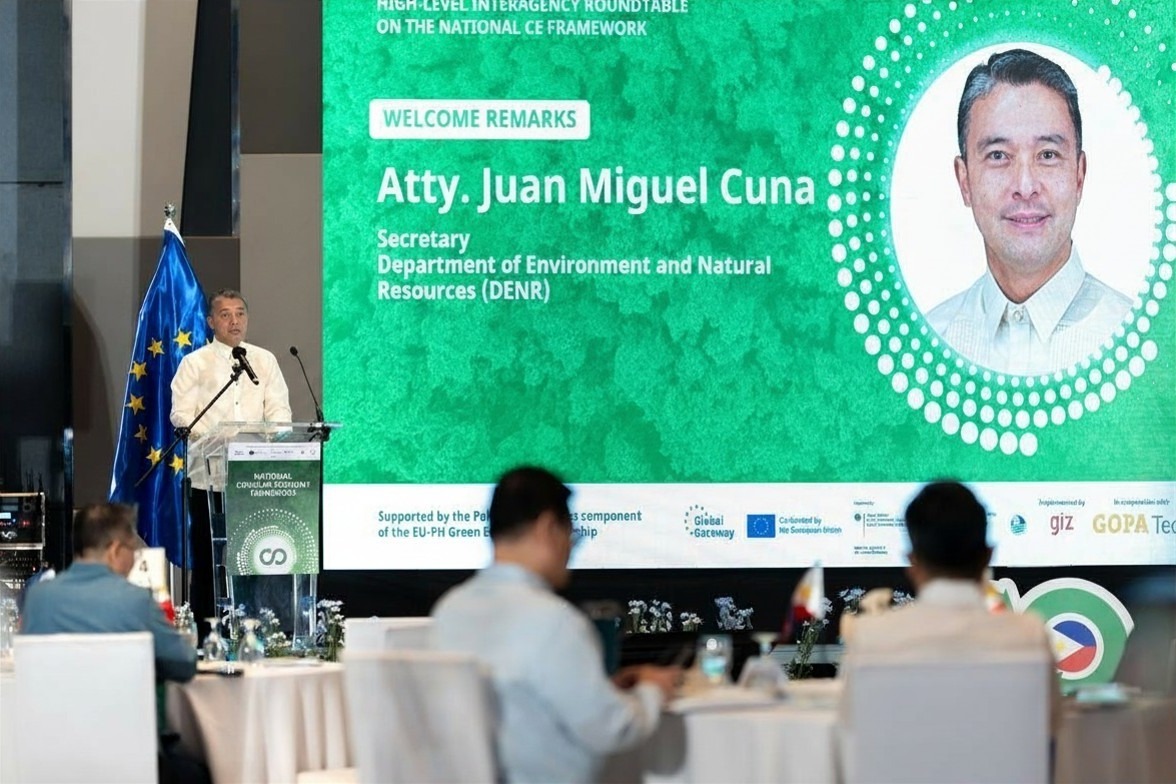
Opening the roundtable, Secretary Cuna underscored the urgency of transitioning toward a circular economy amid growing environmental and economic pressures.
“At a time when we are confronted with increasing environmental pressures ranging from plastic pollution and resource depletion to climate change, the need to transition towards a circular economy has never been more urgent,” Cuna said.
He described circular economy as a strategic pathway toward sustainable growth, resilience, and competitiveness, emphasizing that economic development must no longer come at the expense of ecosystems and future generations.
Cuna also stressed that achieving circularity requires collective action across sectors and institutions.
“As the lead agency for the development of the National Circular Economy Framework, the DENR recognizes that this transformation cannot be achieved by one agency alone,” he said.
Throughout the first day of discussions, participating agencies worked together to define the country’s long-term circular economy vision, identify national priorities, and discuss institutional coordination and implementation pathways needed to operationalize the future framework.
One of the key highlights of the roundtable was the presentation of agency commitment statements outlining how each institution intends to contribute to the country’s circular economy transition.
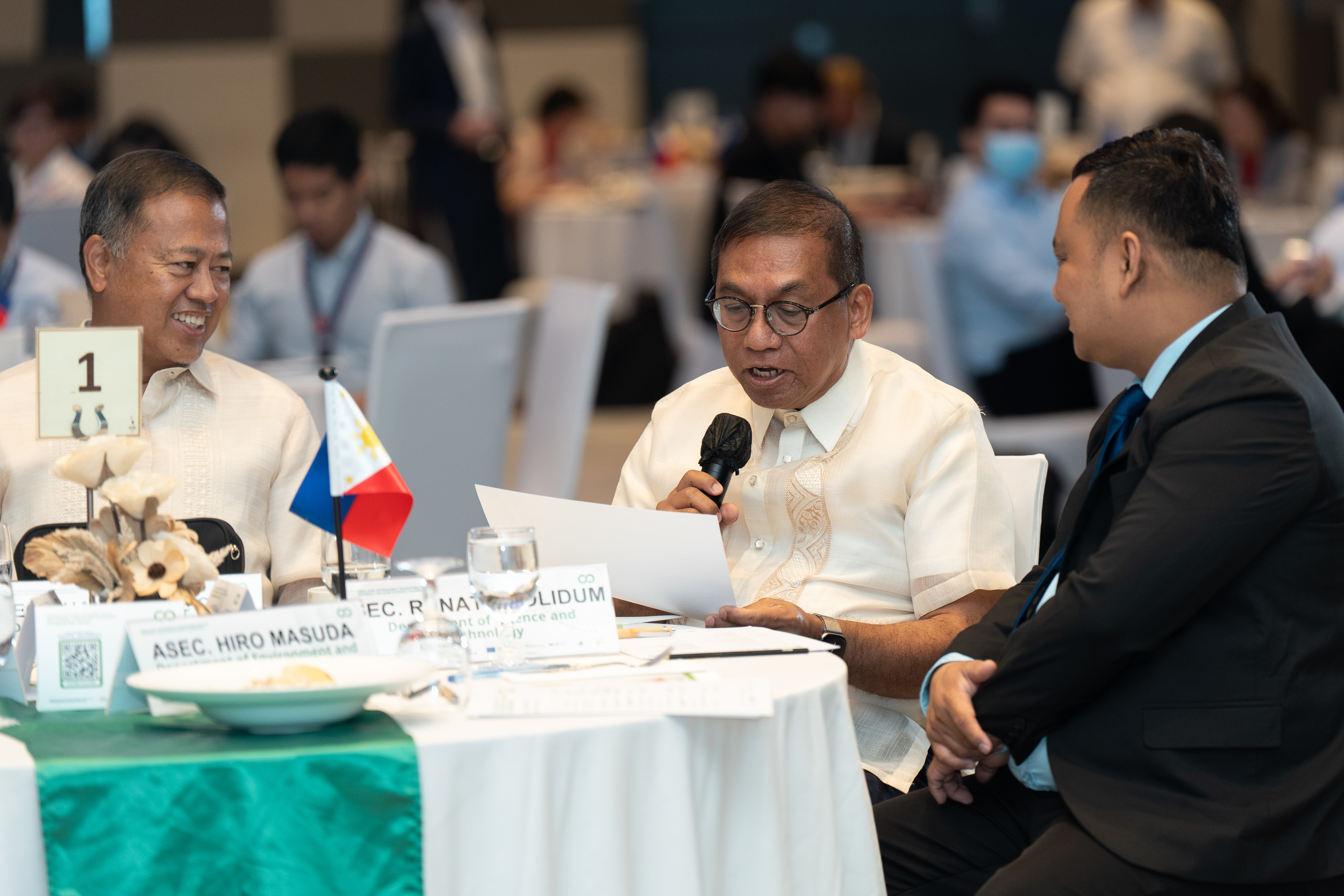
Secretary Solidum personally presented the department’s commitment statement, emphasizing the role of science, technology, and innovation in accelerating circular economy transformation in the Philippines.
Through its Science, Technology, and Innovation for Circular Economy (STI4CE) Framework and the Circular Innovations for Resource-Conscious Utilization, Leading Advanced Technologies and Eco-Sustainability (CIRCULATES) Program, DOST committed to advancing sustainable production, waste valorization, resource efficiency, and climate-resilient innovation across industries and communities.
“Through the CIRCULATES Program and various circular economy initiatives across all DOST agencies, we will continue to advance sustainable production, resource efficiency, waste valorization, and climate-resilient development until they become standard practice across industries, communities, and local governments,” the agency’s statement read.
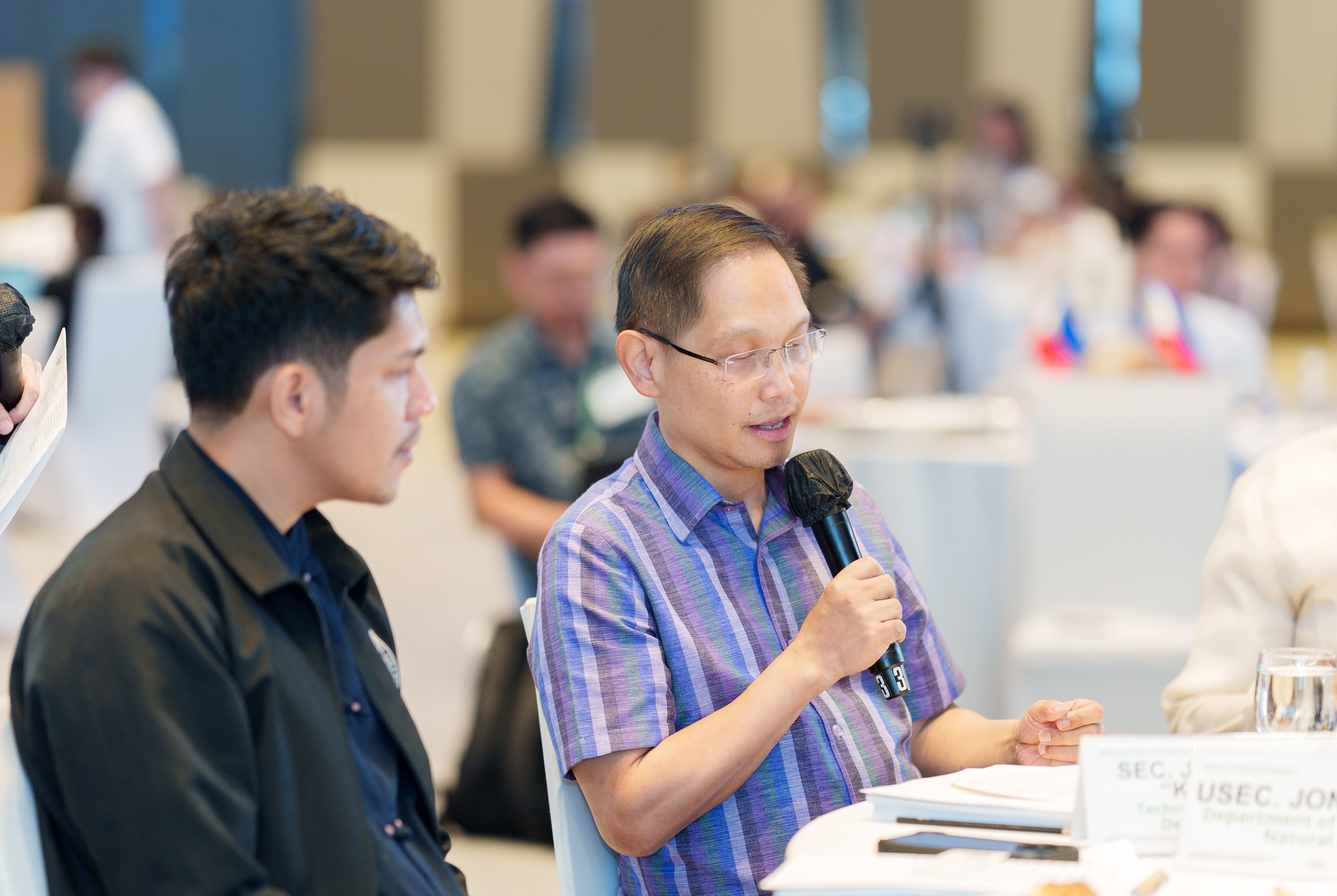
Secretary Benitez also delivered the agency’s commitment statement, highlighting the importance of developing future-ready green skills and strengthening workforce readiness for a circular economy.
TESDA committed to using its Green TVET Framework, green skills policies, and industry-responsive training regulations to equip workers in priority sectors such as manufacturing, agriculture, construction, transport, energy, and waste management with globally competitive and sustainability-oriented skills.
The agency also committed to integrating circular economy principles into training regulations, upgrading learning systems to support green technologies, and expanding partnerships with industry, academe, and government agencies to accelerate workforce transformation nationwide.
Meanwhile, DENR reaffirmed its commitment to advancing Republic Act 9003, the Extended Producer Responsibility (EPR), and the National Circular Economy Framework as central strategic tools for promoting circularity and resource efficiency in the country.
“Through its attached bureaus and offices, the DENR will strengthen the country’s transition to a circular economy, where resource efficiency is the norm, waste is minimized, and inclusive green growth is fully realized for present and future generations,” the department’s statement read.
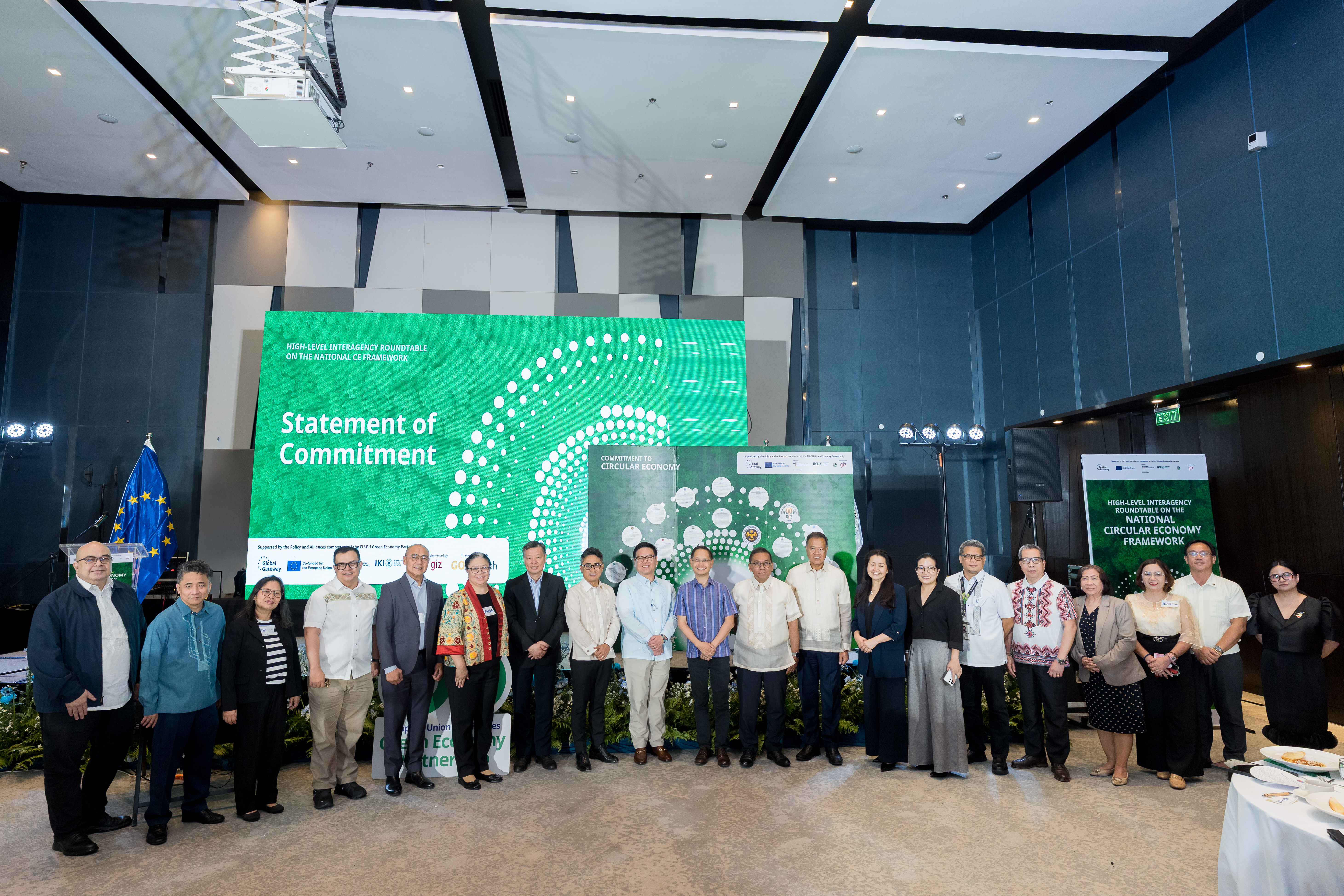
The dialogue also saw undersecretaries, assistant secretaries, and senior agency representatives from participating institutions present their respective institutional commitments and priorities, reinforcing a whole-of-government approach toward circular economy transition.
The roundtable emphasized that the NCEF is envisioned not merely as an environmental framework, but as a strategic blueprint that aligns economic growth, innovation, workforce development, climate resilience, infrastructure, mobility, and sustainable resource management.
Circular economy expert Dr. Mayuri Wijayasundara highlighted during one of the plenary sessions that circular economy goes beyond waste management and focuses on proactively redesigning systems to retain value, reduce risks, and improve long-term resilience.
She noted that circular economy can unlock new industries and jobs through repair, refurbishment, remanufacturing, and circular services while reducing dependence on raw material extraction and global supply chain vulnerabilities.
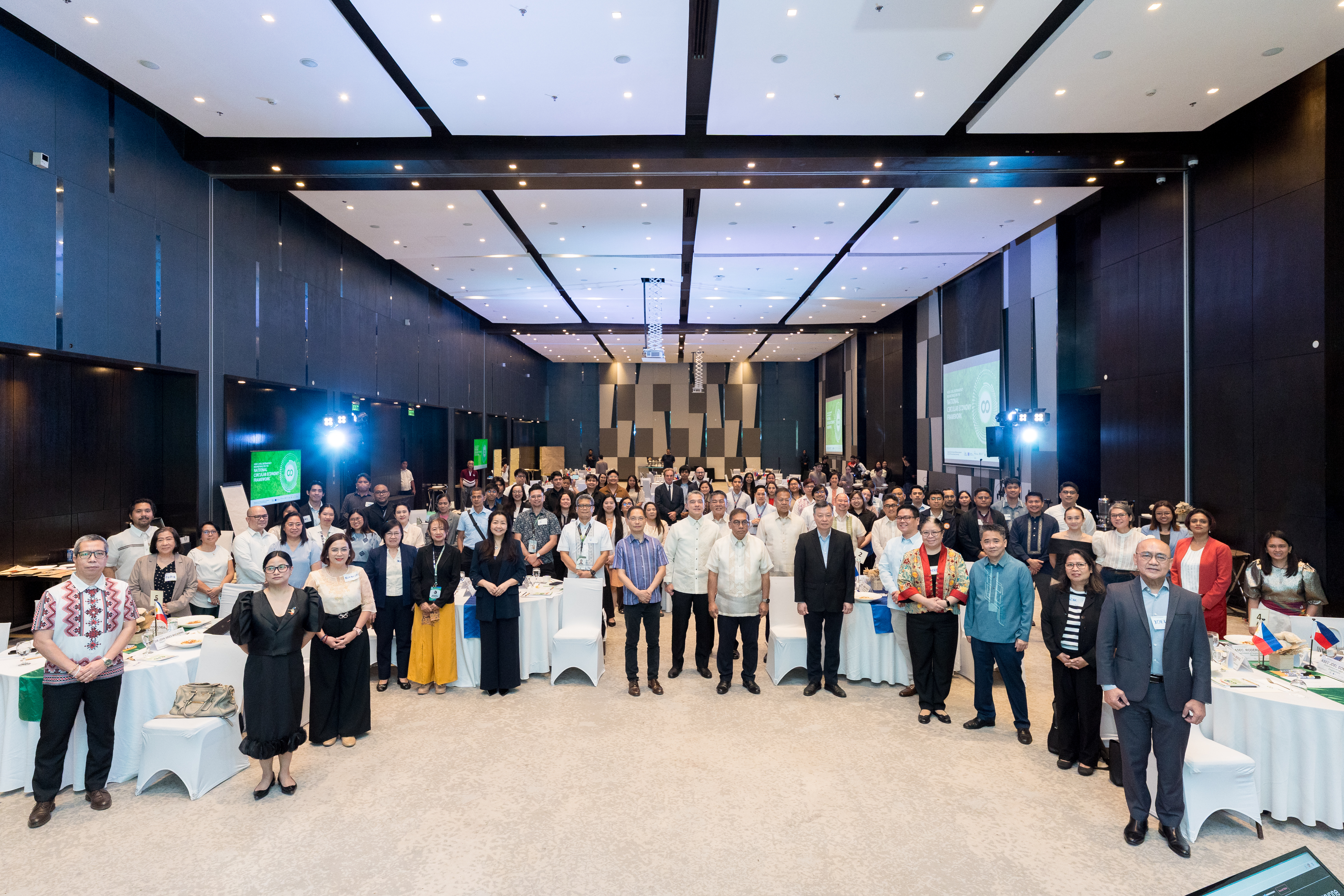
The roundtable forms part of the European Union-Philippines Green Economy Partnership, a €60-million priority programme under the European Union’s Global Gateway initiative – the European strategy engaging with partners globally and promoting investments around shared priorities such as the transition to a green economy. The Policy and Alliances component of the programme – co-funded with a €12 million grant from the European Union and a €1 million contribution from the International Climate Initiative of the German Federal Ministry for the Environment, Climate Action, Nature Conservation, and Nuclear Safety and implemented by GIZ Philippines and DENR-Environmental Management Bureau – supports improving circular economy governance and policies, including the NCEF development process.
The discussions and commitments generated during the dialogue will inform the succeeding stages of developing the National Circular Economy Framework and its implementation roadmap, which aims to establish a coordinated whole-of-government and whole-of-society approach toward building a circular Philippines.
For media inquiries, please contact:
Marky Tumalad, mark.tumalad@giz.de