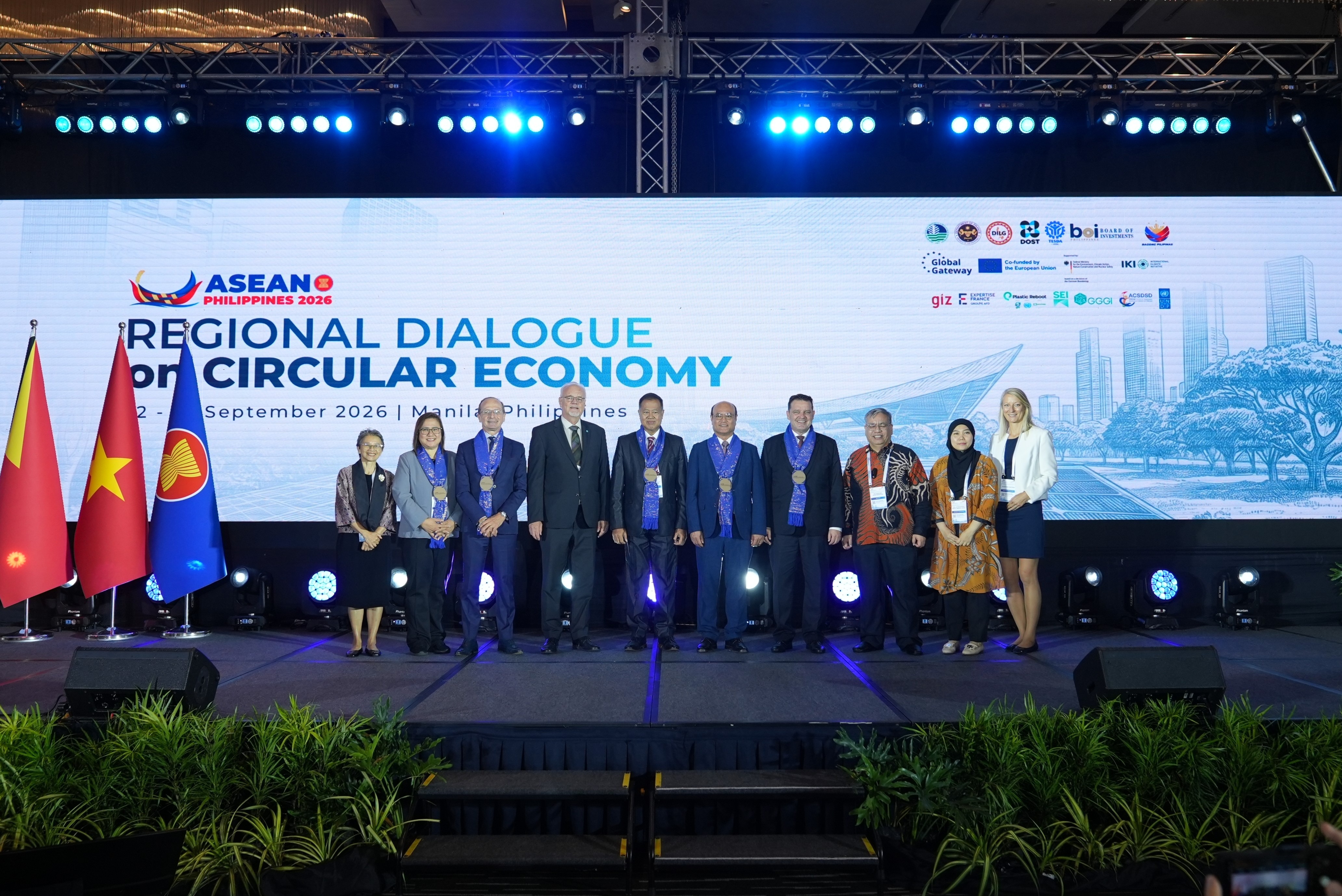
MAKATI, Philippines – Turning circular economy goals into practical action was the central message of the ASEAN Regional Dialogue on Circular Economy, led by the Department of Environment and Natural Resources (DENR) under the Philippines’ 2026 ASEAN Chairship.
Held on 22–23 September 2026, the dialogue focused on translating national policies into local action, strengthening public-private collaboration, and mobilizing the innovation, investment, and partnerships needed to make circularity work in practice.
“This dialogue is not simply about why the circular economy matters. More importantly, it is about how we make it work in practice,” said DENR Undersecretary Jonas R. Leones, underscoring the need to translate circular economy frameworks and policies into action at the national and local levels.
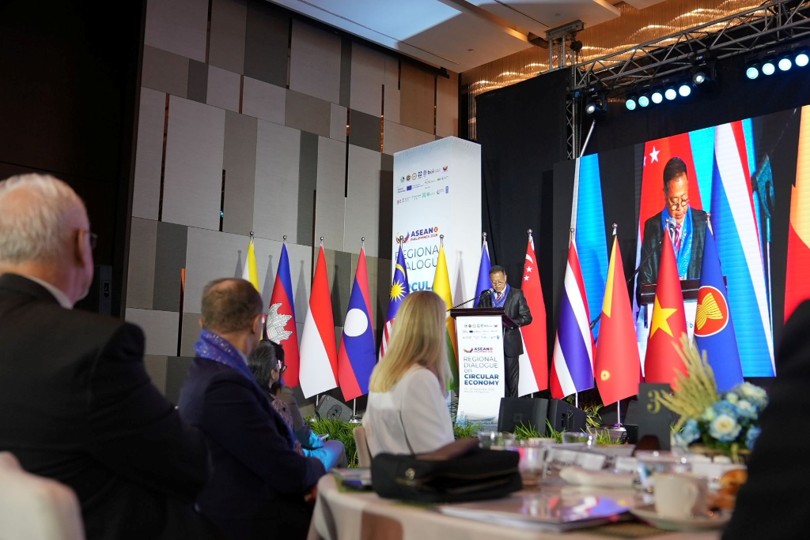
DENR Secretary Juan Miguel “Mitch” Cuna emphasized the broader economic and environmental impacts of a circular economy, particularly through optimizing resource use and material flows across ASEAN. “A circular economy can reduce pressure on natural resources, strengthen resilience to supply disruptions, improve resource productivity, encourage innovation and investment, and create new opportunities for enterprises and workers,” he said.
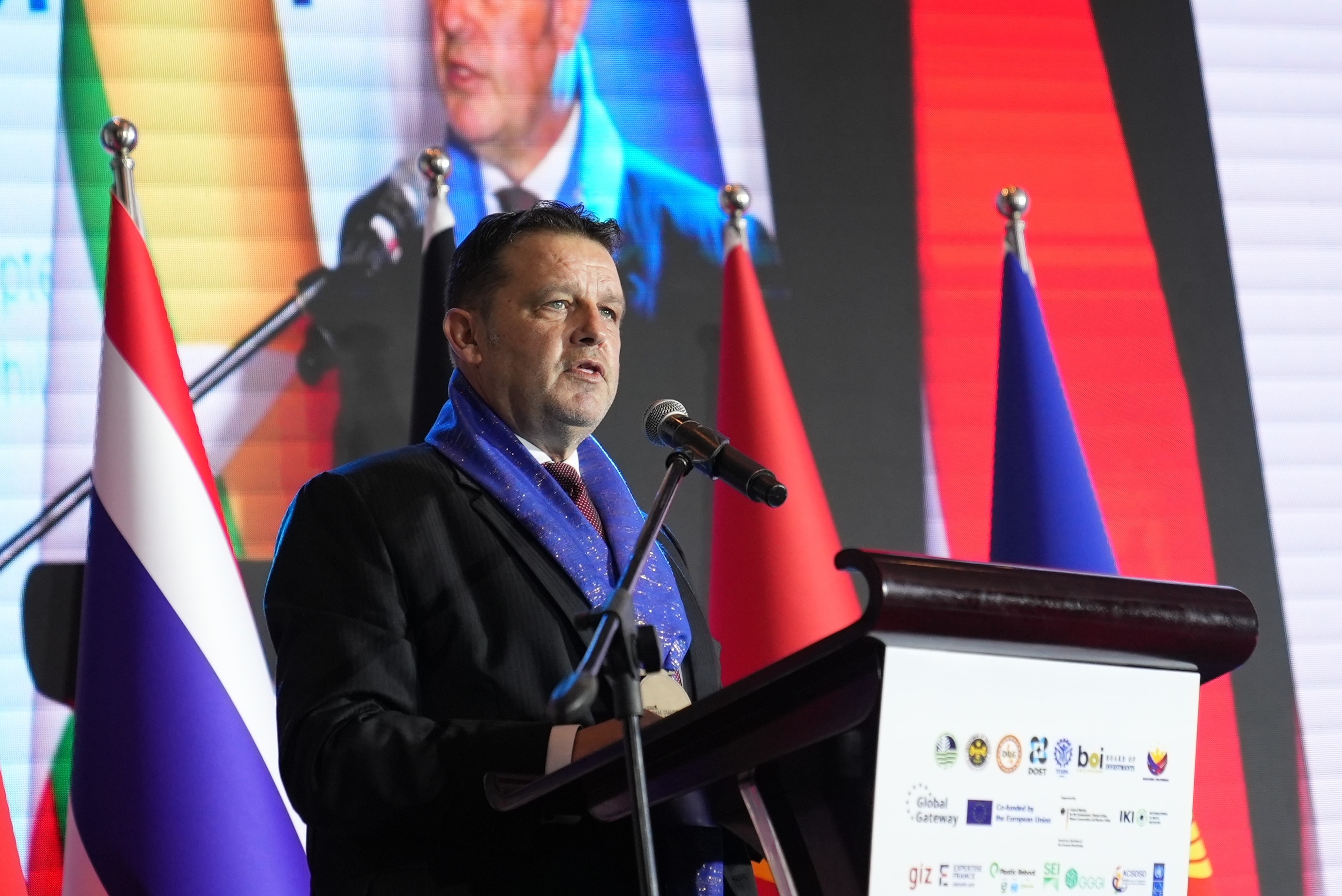
Dr. Marco Gemmer, Head of Cooperation of the Delegation of the European Union to the Philippines, highlighted the importance of connecting European and Philippine partners from the private sector and local governments to advance circularity. “The European private sector and many of our partners are here in order to develop partnerships with the Philippine private sector, with the local government units, to have this customized solution ready that works and be there to maintain this partnership. And this is what Global Gateway is about, this is what the EU-Philippine Green Economy Partnership is about, this is what our engagement at the national, provincial, and local government unit is about,” he said.
Sessions throughout the dialogue examined key policy and implementation areas, including national circular economy policies, the role of local governments, Extended Producer Responsibility (EPR) and other policy instruments, and financing and market mechanisms that can help businesses and communities make the shift. A dedicated session focused on ensuring that micro, small, and medium enterprises (MSMEs) and informal waste workers are not left behind as the region formalize and scale up circular systems.
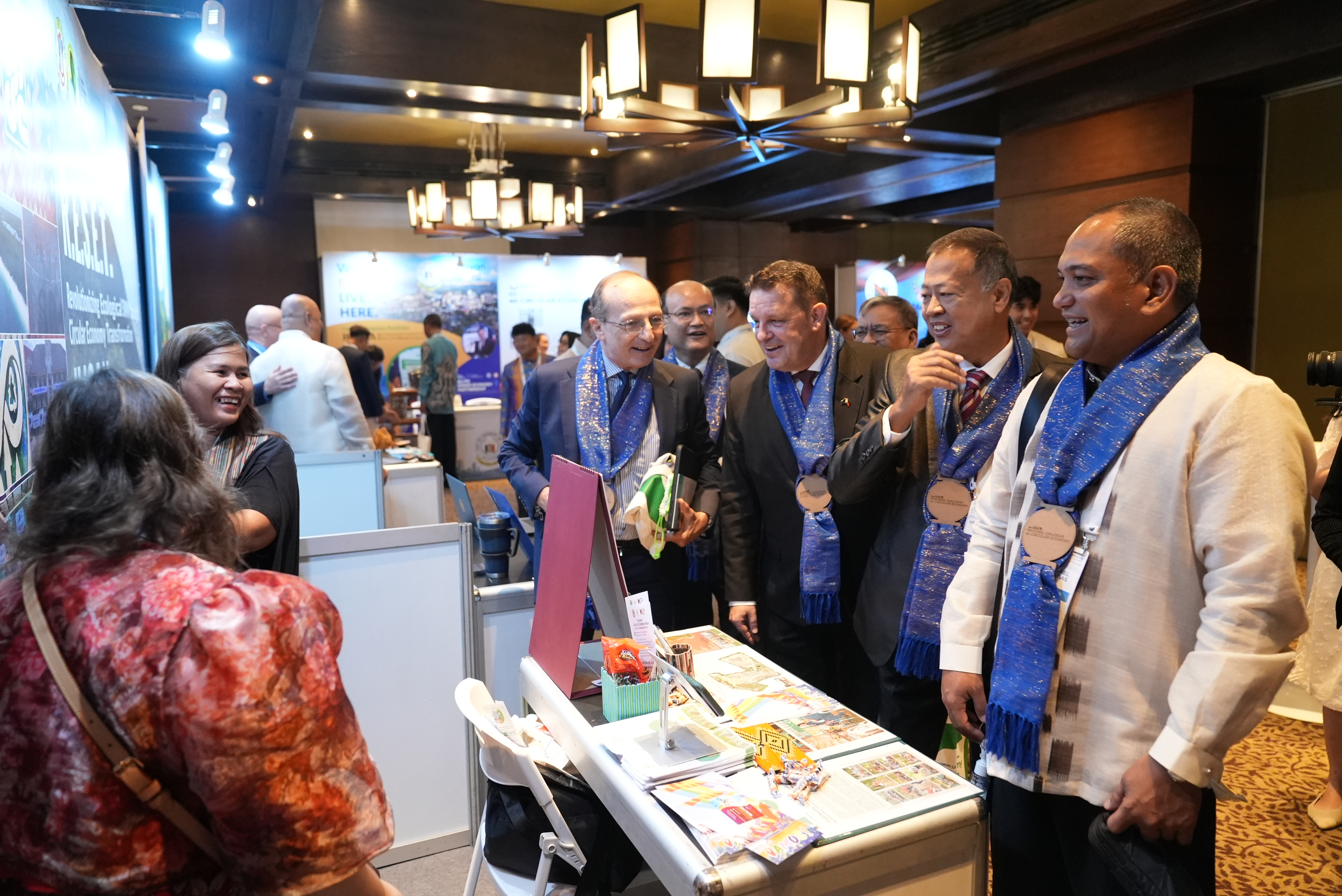
Alongside the dialogue, the Circular Economy Solutions and Demonstration Area gave delegates an opportunity to discover and explore circular economy initiatives, products, and innovations from ASEAN centres and networks, government agencies, local government units, and green innovators. The exhibition showcased innovative and scalable approaches to materials recovery, recycling and upcycling, waste diversion, resource efficiency, livelihood generation, and sustainable production and consumption.
The dialogue is supported by the European Union–Philippines Green Economy Partnership, GIZ, United Nations Development Programme, Global Green Growth Institute (GGGI), ASEAN Centre for Sustainable Development Studies and Dialogue (ACSDSD), Expertise France, and United Nations Industrial Development Organization (UNIDO) - the implementing agency of Plastic Reboot. The European Union-Philippines Green Economy Partnership is a €60 million priority programme of the European Union under its Global Gateway initiative, with a component co-funded by the International Climate Initiative of the German Federal Ministry for the Environment, Climate Action, Nature Conservation and Nuclear Safety, and implemented by GIZ.