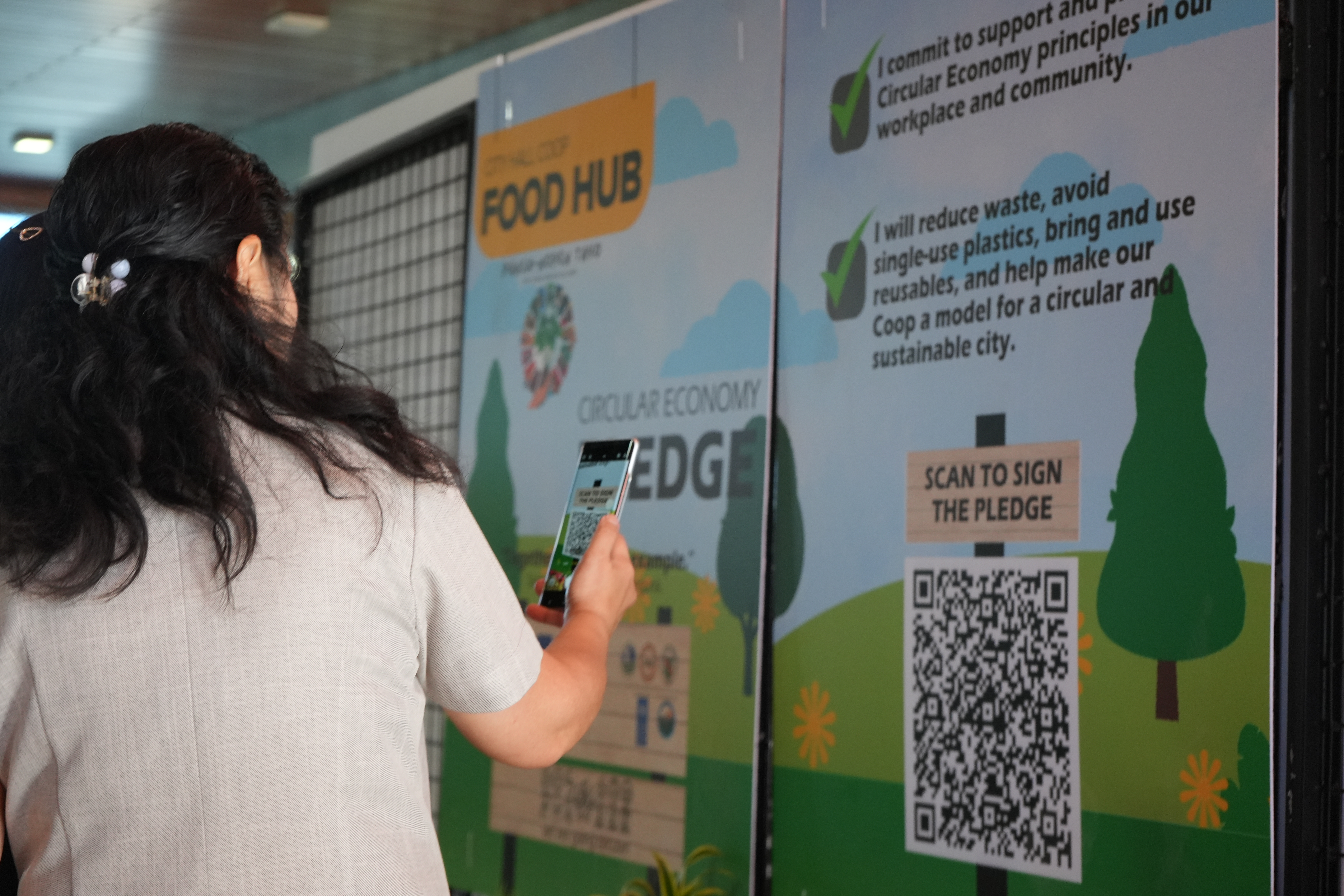
It has been over a year since the first 10 partner cities and municipalities in the Philippines, referred to as Local Government Units (LGUs), embarked on their circular economy transition. Launched under the EU–PH Green Economy Partnership (Specific Objective 2: Green LGUs) through Global Gateway, this milestone marks our early reflection on how the journey began and the key insights generated so far.
At the outset, the concept of a circular economy was unfamiliar to many local stakeholders, particularly in terms of what it looks like in practice and how it can be applied locally. Initial efforts therefore focused on elaborating what circular economy strategies are and how circular approaches can help address pressing urban challenges already faced by cities, including climate change, resilience, waste, and pollution. The experience of the first 10 partner LGUs has since generated important lessons on how circular economy transitions can be effectively localized, aligned with local development pathways, and scaled for greater impact and sustainability.
The concept gained rapid traction due to strong national leadership and its alignment with local realities.
In the Philippines, there is already solid national buy-in, with agencies such as the Department of Environment and Natural Resources (DENR) and the Department of the Interior and Local Government (DILG) championing the circular economy as a response to waste, pollution, climate risks, good governance, and sustainable local development. Combined with a decentralized governance system, this has created an enabling environment for LGUs to advance circular economy initiatives.
During implementation, the importance of designing circular economy strategies that respond to specific local contexts became clear. Many mayors positioned the circular economy as central to addressing their cities’ development challenges.
In large metropolitan areas such as Quezon City, Pasig City, and Caloocan City, circular approaches are increasingly viewed as urgent responses to worsening floods caused by plastic waste clogging waterways, as well as to rising volumes of food waste placing pressure on already overstretched landfills.
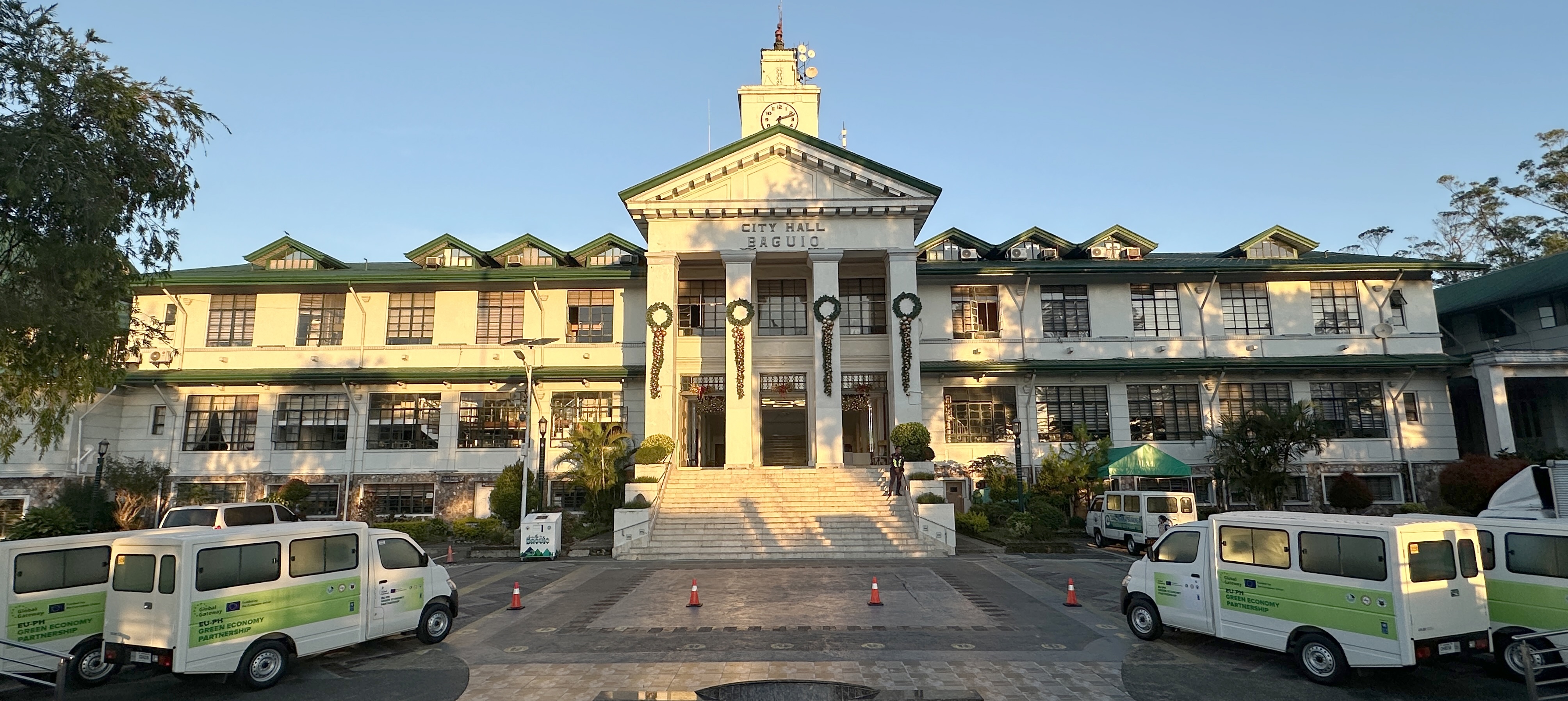
In Baguio City, the circular economy is seen to re-embrace long-standing indigenous values of environmental stewardship by valuing and circulating resources within the local system. For tourism-dependent municipalities such as Del Carmen, the anticipated influx of visitors following the opening of ports to cruise ships has underscored the urgent need for green and circular tourism measures to manage waste volumes that already exceed local capacity.
Similarly, agriculture- and tourism-based cities such as Ormoc, Puerto Princesa, Iloilo, Davao, and Samal are exploring circular solutions to balance economic growth with environmental sustainability, particularly through food systems and plastic circularity approaches.
Throughout the transition process, local leadership—particularly from mayors—emerged as a critical driving force, reflecting the high degree of autonomy held by local governments in the Philippines. Local ownership proved equally important. Rather than prescribing solutions, we focused on the involvement of local stakeholders from the very beginning to collectively assess challenges and co-create a locally suitable portfolio of CE priorities and solutions. This approach allowed our partner cities to develop circular economy strategies that are grounded, context-specific and aligned with local development goals.
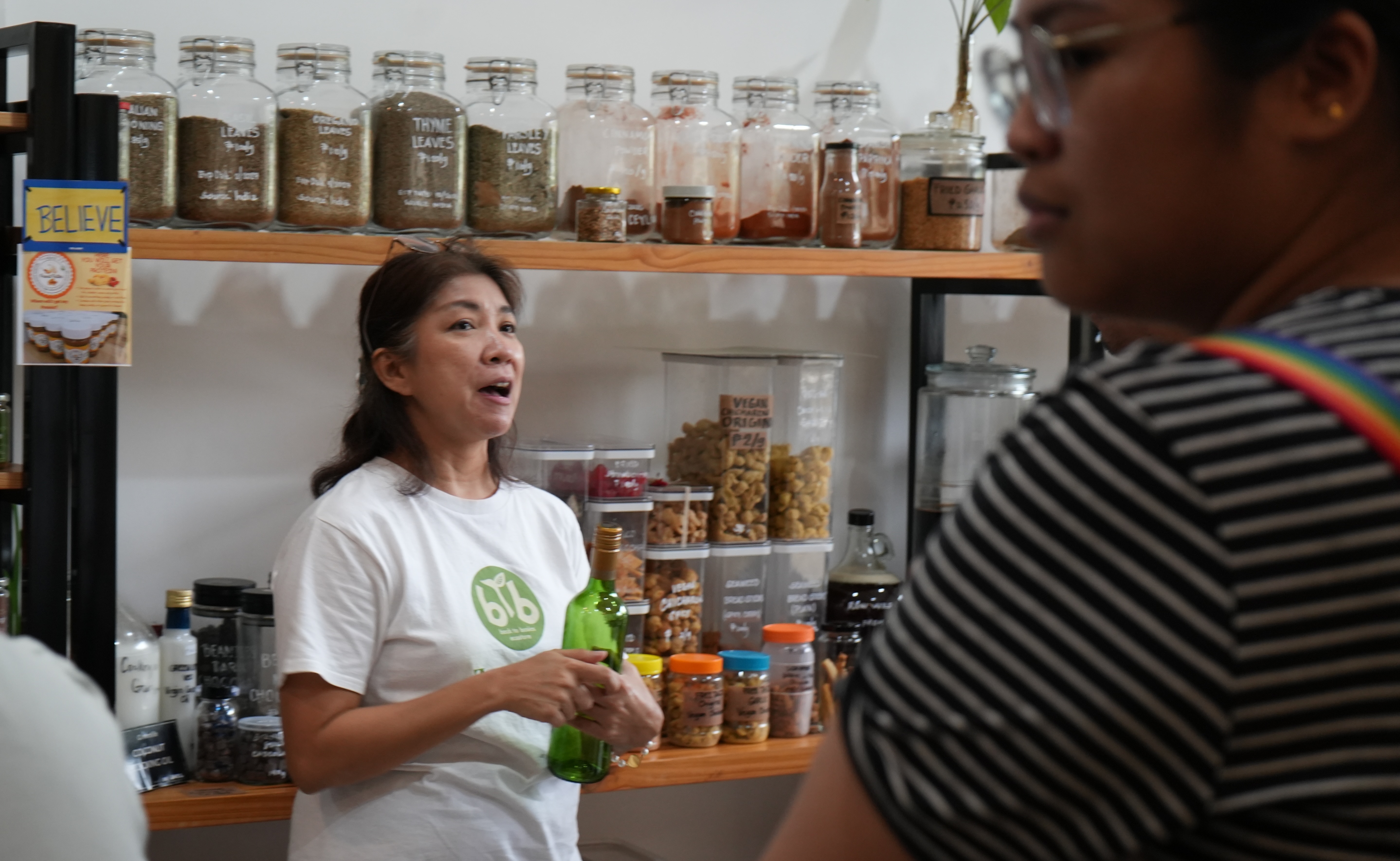
A portfolio approach, combined with sustained capacity-building support, also emerged as a key enabler. Rather than advancing isolated interventions, the project supported a coordinated set of policy, systems, behavioral, business infrastructure and digital measures—ranging from enabling local policies and green procurement, to education and outreach for behavior change, to support for circular business models and the provision of enabling facilities and equipment.
Across this portfolio, inclusion and integration were embedded as core design principles, ensuring that women, youth, the informal sector, Persons with Disabilities (PWDs), and Indigenous Peoples were meaningfully engaged not as beneficiaries, but as active actors and process owners in shaping and implementing circular economy solutions, including through targeted grants.
Peer-to-peer learning proved particularly powerful in accelerating circular economy adoption. Partners consistently found learning from fellow cities to be among the most effective approaches, especially in understanding which circular models work and how to engage citizens, businesses, and other stakeholders.
Benchmarking visits to cities such as Pasig and Quezon City inspired other LGUs to replicate proven practices, including the establishment of circular economy hubs for material recovery and the promotion of urban organic farming and food rescue programs.
Achieving scale requires moving beyond pilots and public funding alone. Sustained circular economy transitions depend on the ability to engage businesses, unlock viable circular business models, and crowd in investment that can operate at scale. The EU-PH partnership plays a vital role in enabling this shift, by helping cities pilot and upscale high-impact circular solutions and operationalizing green financing mechanisms, translating local innovation into systemic change.
These lessons will inform the next phase of implementation, as the initiative has expanded to an additional 10 cities and is expected to eventually reach up to a total of 60 cities across the Philippines.
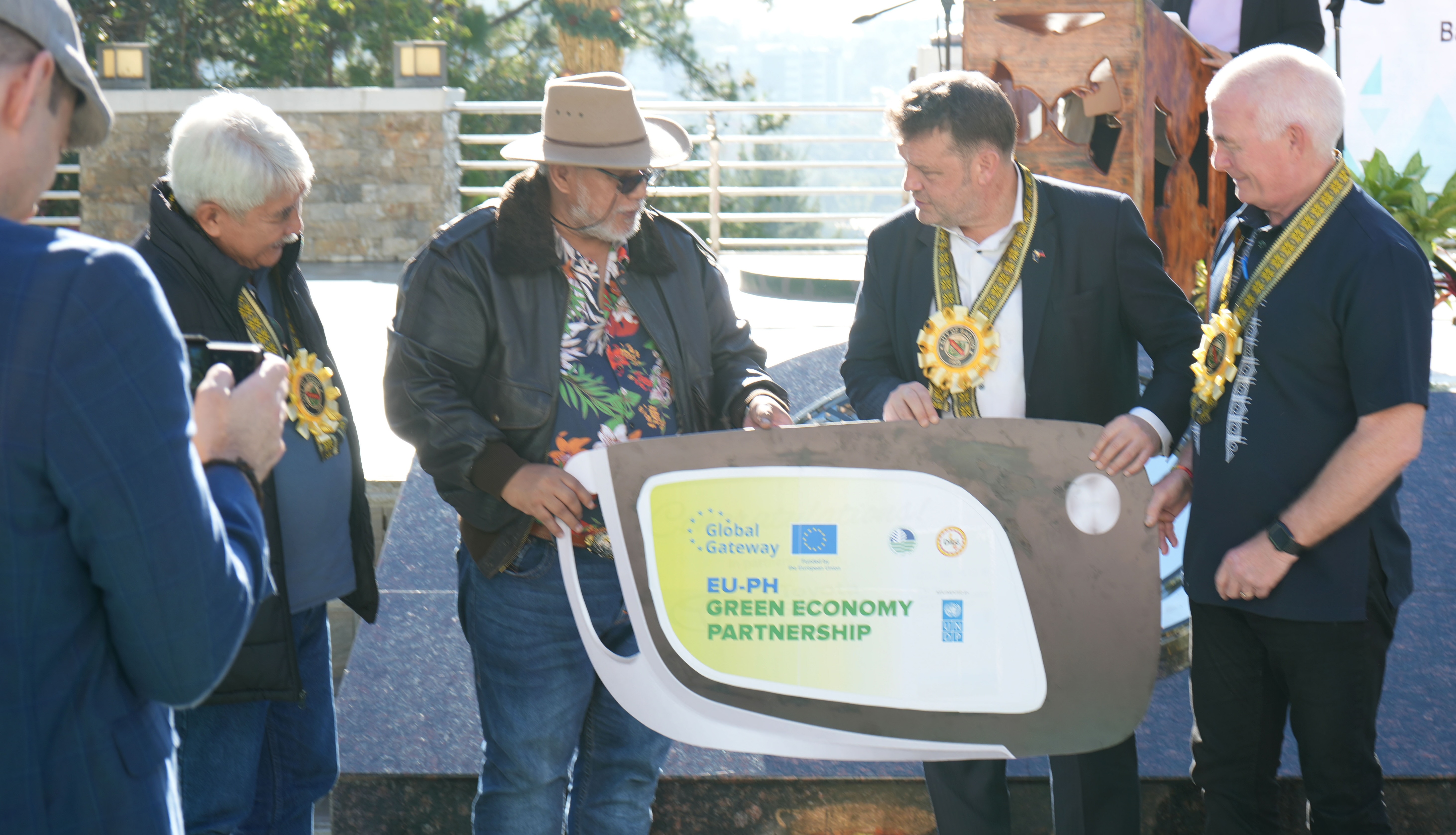
Moving forward, maximizing impact and sustainability will require stronger leverage of the EU–Philippines Green Economy Partnership. As a global forerunner in advancing the circular economy under the European Green Deal, the EU offers proven policies, technologies, and business models that can be adapted to the Philippine context.
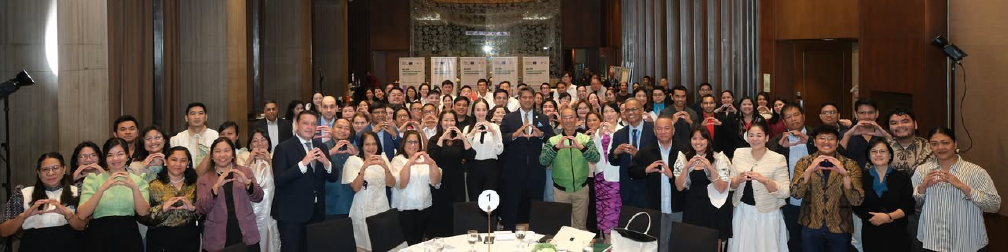
Participants during the awarding of the Civil Society Grants that support community-led initiatives and behavioral change-focused interventions across the Tier 1A LGUs.
As the initiative moves into its next phase, the focus will shift from piloting to scaling and institutionalizing circular economy solutions across cities. By strengthening local leadership, and mobilizing finance and markets, the partnership aims to embed circularity into urban development pathways—ensuring that economic development, environmental protection, and social inclusion advance together over the long term. [E]
About the EU-Philippines Green Economy Partnership:
Funded by a €60 million (₱3.67 billion) grant from the European Union, the EU-PH Green Economy Partnership will run from 2023–2028 with the Department of Environment and Natural Resources (DENR) as lead implementing agency, in collaboration with the Department of Trade and Industry, Department of Energy, and the Department of the Interior and Local Government. The partnership supports circular economy, renewable energy, waste reduction, and climate resilience. Co-funded by Germany’s development agency GIZ, it is implemented by UNDP Philippines, Expertise France with the Global Green Growth Institute (GGGI), and the International Finance Corporation (World Bank Group). EU-PH Green Economy Partnership is part of the European Union’s Global Gateway initiative, which fosters green transition and sustainable investments through trusted, inclusive partnerships.
About Specific Objective 2 (Green LGUs):
The Green LGUs is a key component of the EU–Philippines Green Economy Partnership that supports cities and municipalities in advancing inclusive, locally led circular economy (CE) transitions. Co-led by the Department of the Interior and Local Government (DILG) and implemented by UNDP Philippines, SO2 empowers local actors to co-create circular solutions that reduce waste, regenerate ecosystems, and improve everyday systems through sustainable, community-rooted practices. It works to strengthen capacities, develop enabling policies, and unlock support across sectors—including local governments, civil society, the private sector, and marginalized groups—ensuring that circularity becomes not only practical, but part of the norm.