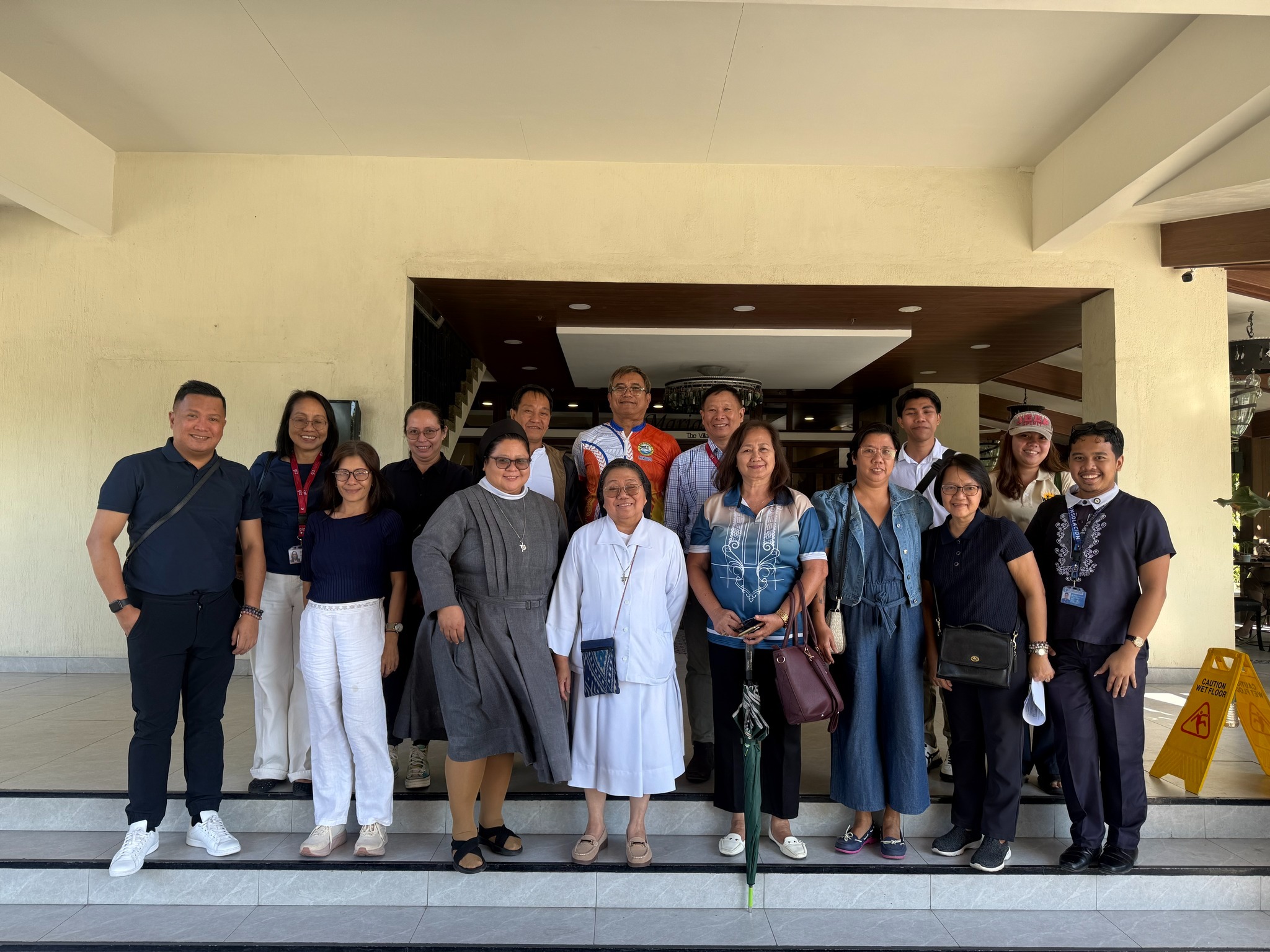
TALISAY CITY, Negros Occidental — Bacolod City is positioning itself as a potential entry point for European investments in circular economy solutions, following the rollout of the Circular Biohubs Project.
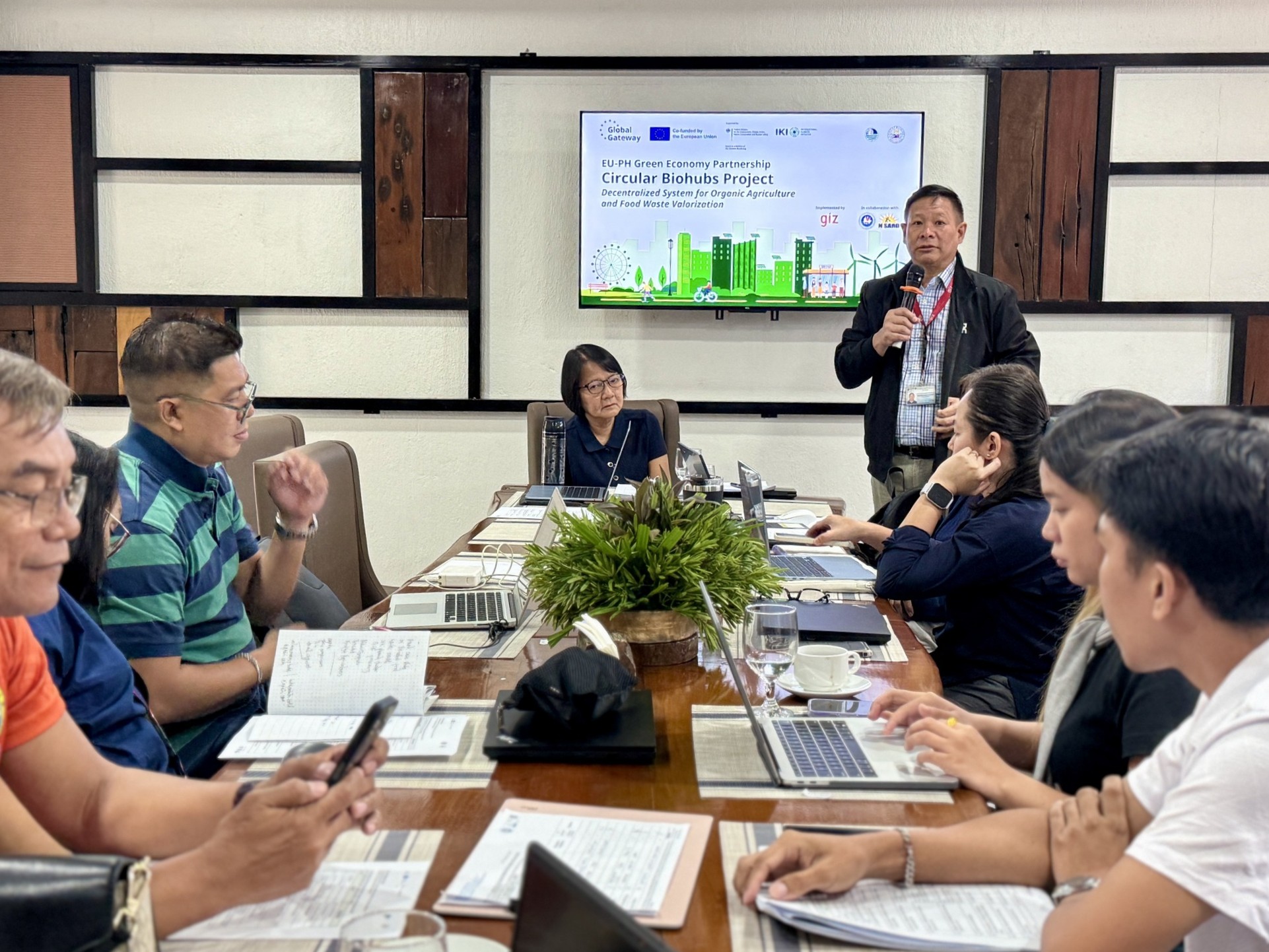
This project is supported under the European Union–Philippines Green Economy Partnership – a ₱3.67 billion (€60 million) flagship programme of the European Union under its Global Gateway initiative, the European strategy engaging with partners globally and promoting investments around shared priorities such as the transition to a green economy. The Policy and Alliances component of the programme – co-funded with a €12 million grant from the European Union and a €1 million contribution from the International Climate Initiative of the German Federal Ministry for the Environment, Climate Action, Nature Conservation, and Nuclear Safety and implemented by GIZ Philippines – supports policy-driven demonstration projects to pilot and scale innovative solutions on circular economy.
Led by La Consolacion College Bacolod, this initiative brings together local governments, national agencies, academic institutions, and private sector partners to pilot decentralized systems that convert organic waste into marketable products such as fertilizer and animal feed.
More than a waste management initiative, the project is being developed as a demonstration platform for scalable circular economy models, with the potential to attract foreign capital—particularly from European firms looking to expand in Southeast Asia’s growing green economy sector.
Investment-linked pilot
Project proponents said the initiative aims to go beyond addressing environmental challenges by developing investment-ready models that integrate technology, governance, and community participation.
“Bacolod serves as a strategic demonstration site where circular economy solutions can be tested and scaled, with strong potential for private sector participation,” said Terence Paul Dacles, GIZ Senior Advisor citing the broader objectives of the European Union–Philippines Green Economy Partnership to promote green businesses and sustainable investments.
In a message delivered during the project launch, Bacolod City Mayor Greg Gasataya emphasized the importance of collaboration across sectors, noting that coordinated efforts are essential in reducing environmental risks and promoting sustainable practices.
The project aligns with European Union frameworks such as the Green Deal and the Circular Economy Action Plan, which promote resource efficiency, waste reduction, and sustainable production systems.
Commercial potential in waste-to-resource systems
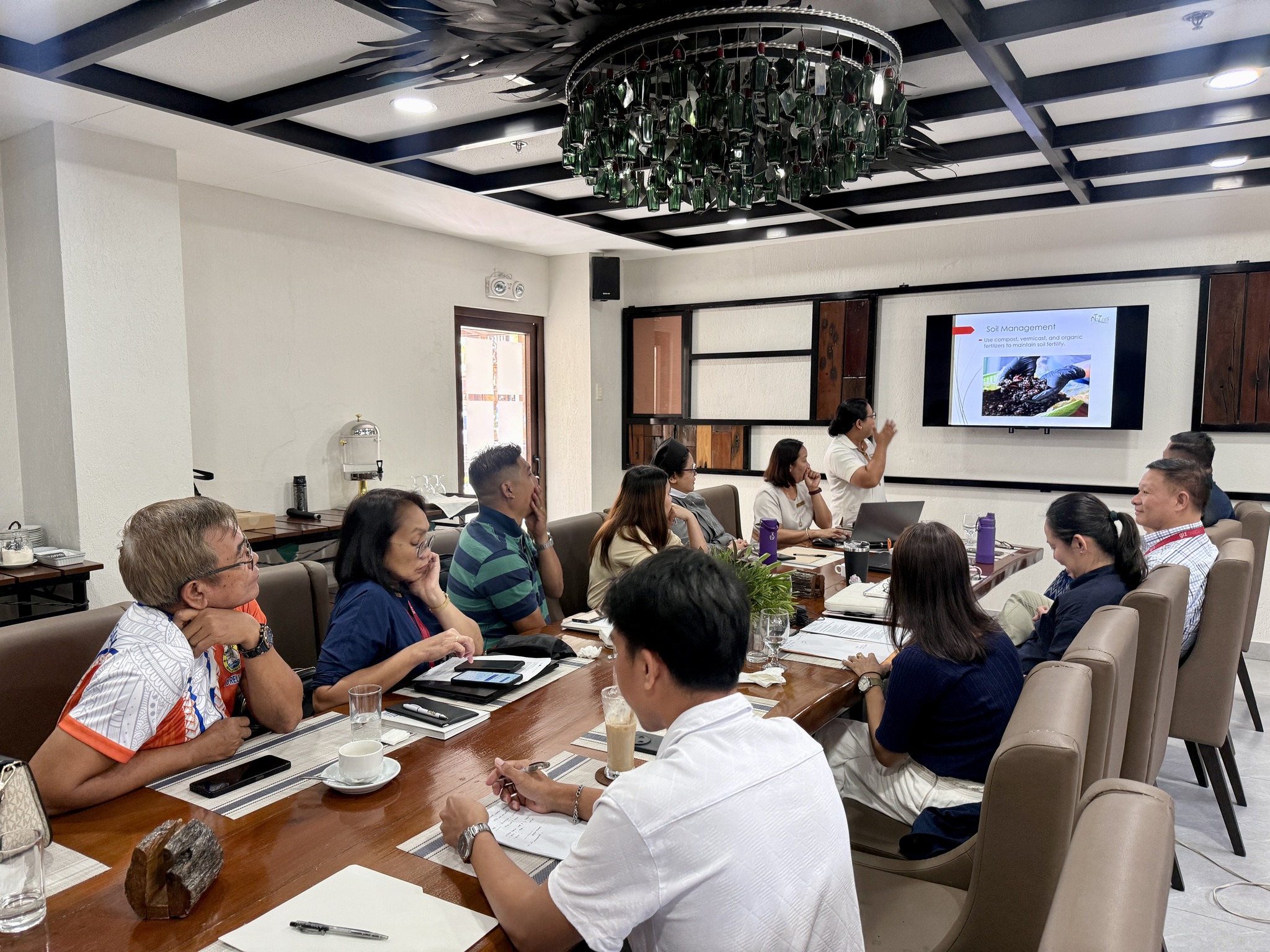
At the core of the project is the deployment of Black Soldier Fly (BSF) technology and vermicomposting systems, which transform organic waste into high-value outputs.
Aldwin Torquido, president of Bioflyt Agri Ventures Corporation, said the BSF systems can significantly enhance biowaste processing by converting organic waste into valuable products.
He added that BSF larvae efficiently transform food waste into protein-rich animal feed and organic fertilizer, providing an eco-friendly alternative that supports sustainable agriculture and aquaculture.
Industry partners noted that BSF systems can operate at different scales, from small community-level setups to industrial facilities capable of processing large volumes of waste, highlighting strong potential for commercialization.
These technologies are integrated into a decentralized model that reduces landfill dependence while generating income streams, making them attractive to both impact investors and private operators.
Market fundamentals
Data presented during the session show that around 38% to 39% of Bacolod’s waste stream is organic, pointing to a significant and underutilized resource base for circular economy enterprises.
Local government efforts to strengthen compliance with ecological solid waste management laws, along with existing programs such as urban farming and community gardens, are expected to support both supply and demand within the circular system.
Atty. Allyn Luv Dignadice, head of the Bacolod Environment and Natural Resources Office (BENRO), emphasized the importance of engaging communities, including waste workers and their families, to sustain waste reduction efforts and ensure long-term participation.
Governance as a key variable
Stakeholders underscored that while technologies are already available, the success of the project will depend largely on governance and community engagement.
Participating agencies included the Technical Education and Skills Development Authority (TESDA), Department of Education (DepEd), Environmental Management Bureau of the Department of Environment and Natural Resources (DENR-EMB), and the Department of the Interior and Local Government (DILG), alongside barangay representatives from pilot sites.
Sis. Flolyn Catungal, president of La Consolacion College Bacolod, highlighted the importance of strong barangay ownership, sustained participation, and clear operational systems to ensure continuity and scalability.
The project has now entered its implementation phase, with partners aligning roles, timelines, and reporting mechanisms across pilot sites.
Scaling prospects
The Bacolod pilot is expected to generate replicable models that can be rolled out in other cities, particularly as the Philippines advances circular economy policies such as Extended Producer Responsibility (EPR).
If successful, the initiative could serve as a template for European Union–Philippines cooperation, linking local waste management challenges with international investment and technology flows.
For European firms, the project offers a structured entry point into the Philippine market, supported by policy alignment, strong local partnerships, and a growing pipeline of green investment opportunities.
For media inquiries, please contact Marky Tumalad (mark.tumalad@giz.de).