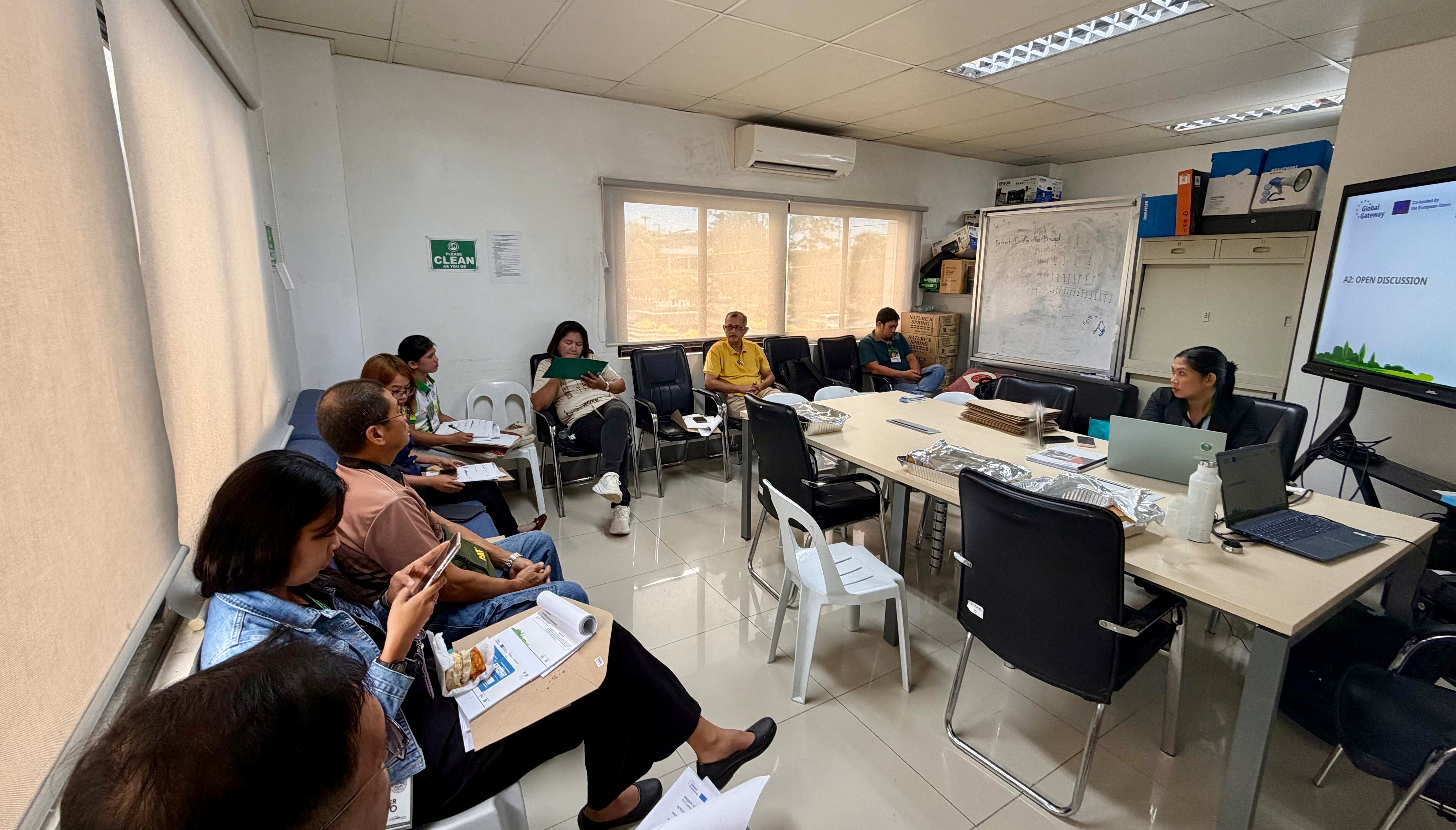
TAGBILARAN CITY, BOHOL — The EPR-Driven Plastic Waste Management in Tagbilaran City, Bohol Project (EPRD Project), supported under the European Union–Philippines Green Economy Partnership, holds its First Regular Quarterly Project Report Presentation on October 20, 2026, at the City Administrator’s Conference Room, Tagbilaran City, Bohol, Philippines.
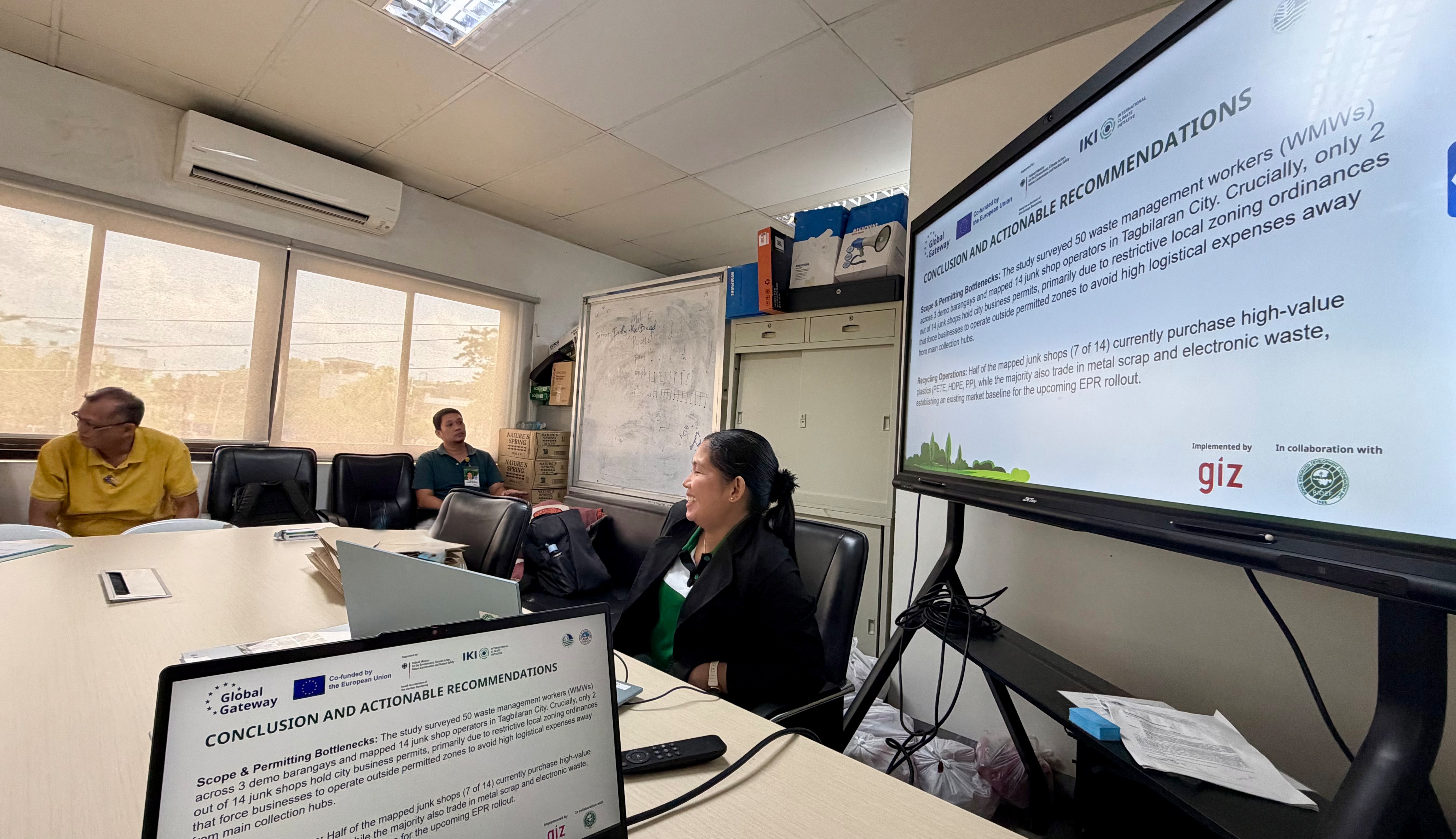
The activity aimed to present the project’s semi-annual progress report covering November 2025 to April 2026. Key presentation topics included an overview of progress by work package, risk identification and impact, root cause analysis, corrective action deployment, and work-package-specific stakeholder engagement frameworks. Additionally, the project team shared updated baseline mapping results for waste management workers and junkshops in Tagbilaran City. The session also served as a collaborative platform to address implementation challenges, strengthen partner coordination, and establish recommendations to enhance plastic collection, stakeholder engagement, livelihood development, and sustainable plastic waste management.
Meeting Highlights
The meeting was attended by project partners and stakeholders representing various offices of the Tagbilaran City Local Government Unit (LGU), representatives from three demonstration barangays, and members of the City Solid Waste Management Board (CSWMB).
Discussions focused on the project’s progress, key accomplishments, and challenges encountered during implementation. The presentation of the updated baseline mapping results also provided important information on waste management workers and junkshops, helping identify opportunities to strengthen their participation in the city’s plastic waste management system.
Participants discussed proposed plastic collection arrangements, community awareness and information campaigns, livelihood opportunities, and ways to improve collaboration among the City Government, demonstration barangays, junkshops, waste management workers, and other project partners.
The discussions also emphasized the importance of inclusive stakeholder participation, effective coordination, and identifying practical solutions in improving plastic waste collection, recycling, and diversion. The recommendations raised during the meeting will help inform succeeding project activities and guide efforts to establish more effective and sustainable plastic waste management practices in Tagbilaran City.
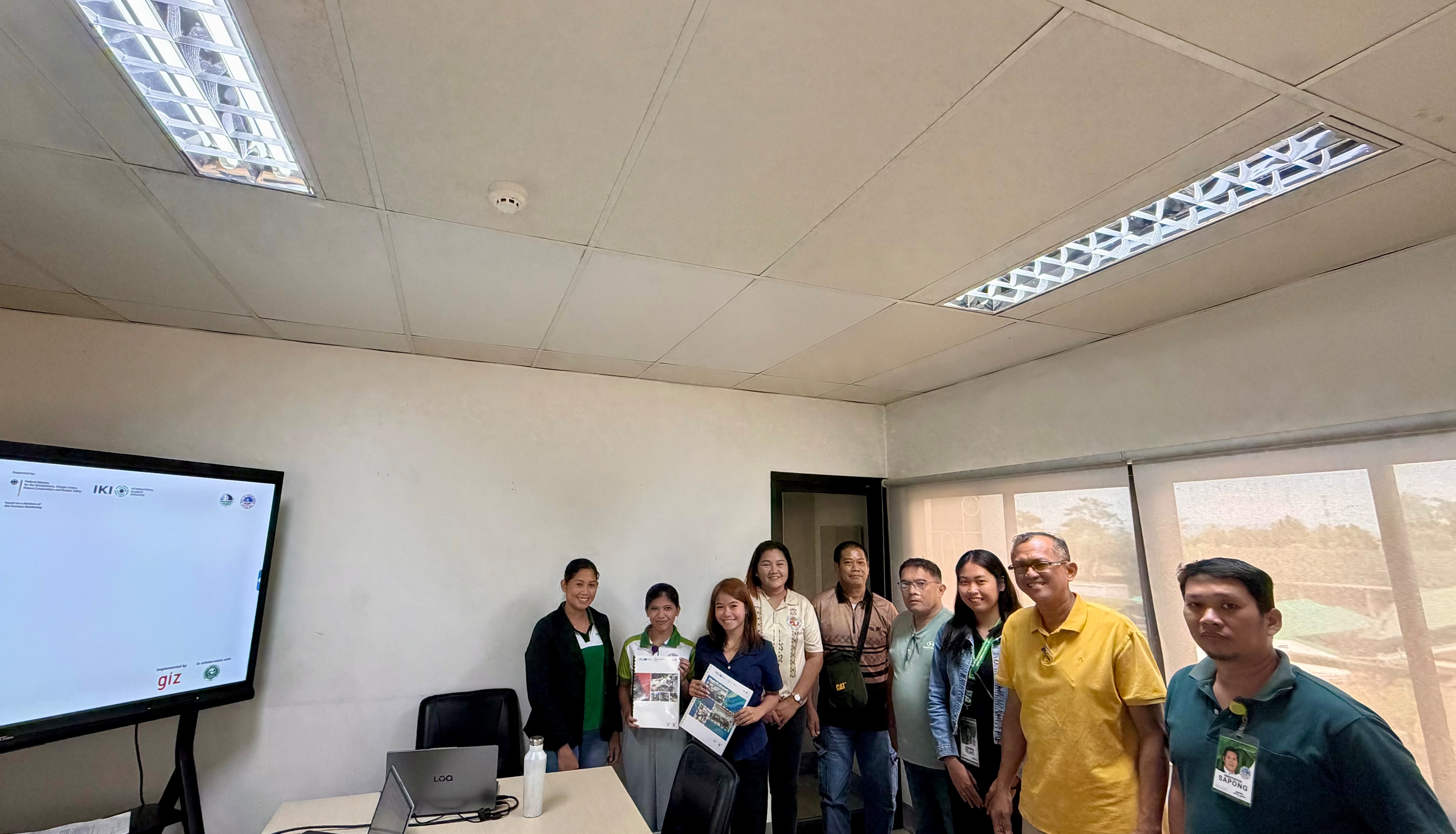
The project team also formally turned over the First Semi-Annual Progress Report and the Mapping Report on Waste Workers and Junkshops in Tagbilaran City to the City Local Government Unit (LGU), recognizing its role as a primary project partner. The reports provide updates on project implementation and baseline information to support coordinated planning, strengthen local waste management initiatives, and guide future interventions for waste workers and junkshops in the city.
Through the EPRD Project, BIDEF and its partners continue to support stronger local waste management systems, promote circular economy practices, and encourage the active participation of communities and waste sector stakeholders.
About the EPR-Driven Project
The EPR-Driven Plastic Waste Management in Tagbilaran City, Bohol Project aims to support the city’s transition toward a circular economy by advancing sustainable solid waste management practices and supporting the implementation of the Extended Producer Responsibility (EPR) Act of 2022.
The project also promotes knowledge sharing and seeks to facilitate green investments and innovations from European EPR organizations. These may include sorting and recycling technologies, deposit return systems, waste tracking systems, and other solutions for plastic circularity and green packaging. The project is implemented by the Bohol Integrated Development Foundation, Inc. (BIDEF) in partnership with the Participatory Research, Organization of Communities and Education towards Struggle for Self-reliance in Bohol (PROCESS-Bohol) under the European Union–Philippines Green Economy Partnership.
The European Union–Philippines Green Economy Partnership is a €60 million (approximately ₱3.67 billion) programme under the European Union’s Global Gateway initiative, which promotes investment and cooperation with partner countries in support of shared priorities, including the transition to a green economy. Led by the Department of Environment and Natural Resources (DENR), the programme connects European and Filipino partners from the private sector and local governments to advance circular economy initiatives while supporting sustainable economic growth. The programme’s Policy and Alliances component, co-funded by a €12 million grant from the European Union and a €1 million contribution from the International Climate Initiative of Germany’s Federal Ministry for the Environment, Climate Action, Nature Conservation and Nuclear Safety, and implemented by GIZ Philippines and the DENR Environmental Management Bureau, supports policy development and strengthens partnerships for the green transition.