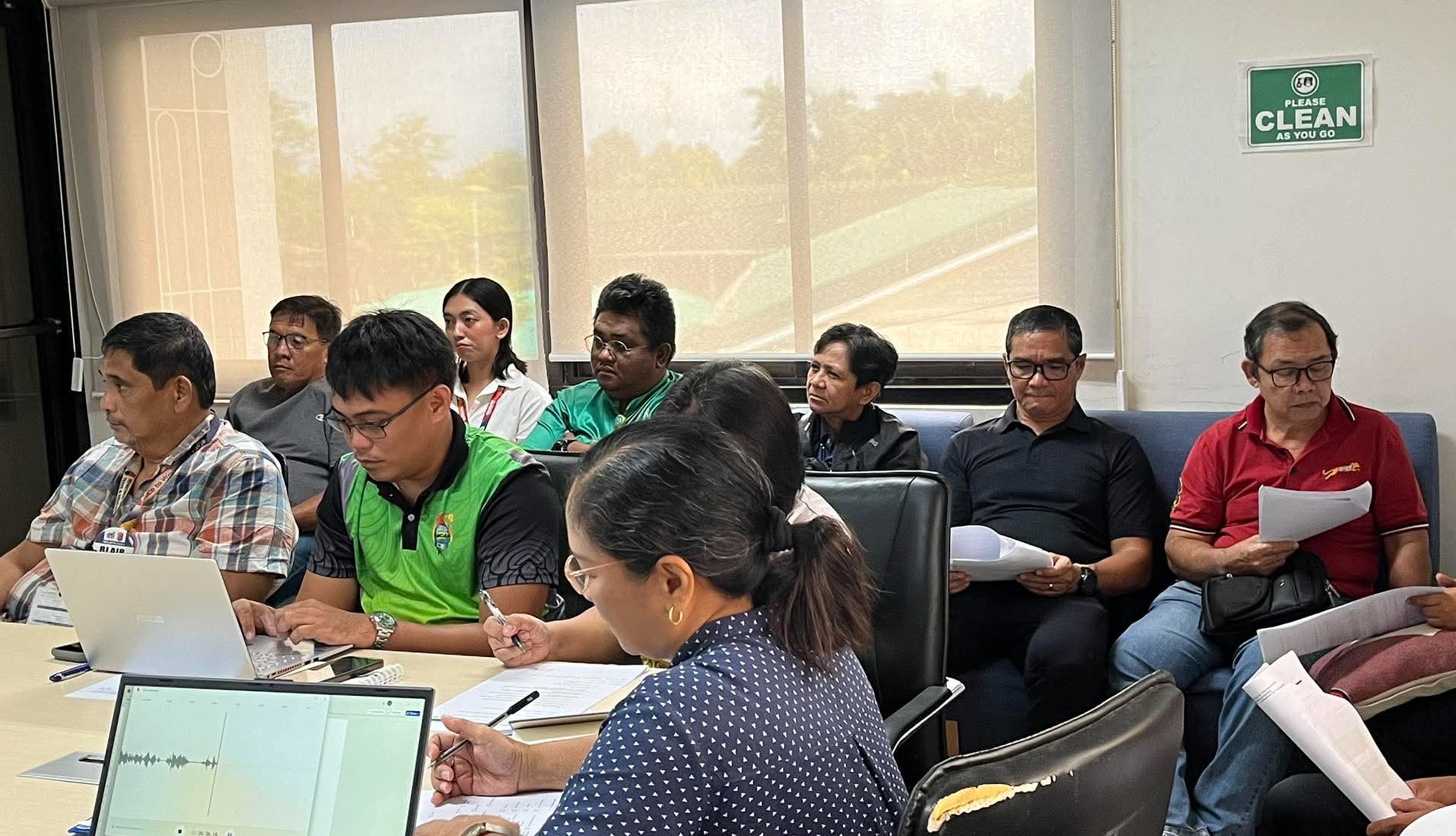
TAGBILARAN CITY, BOHOL — Supported by the European Union–Philippines Green Economy Partnership, the EPR-Driven Plastic Waste Management in Tagbilaran City, Bohol Project successfully convened its 2nd Coordination Meeting on October 8, 2026, at the City Administrator’s Conference Room in Tagbilaran City.
The meeting brought together project partners and key stakeholders to review project accomplishments, assess implementation progress, and strengthen collaboration with the City Government and other concerned stakeholders toward a more inclusive and sustainable plastic waste management system.
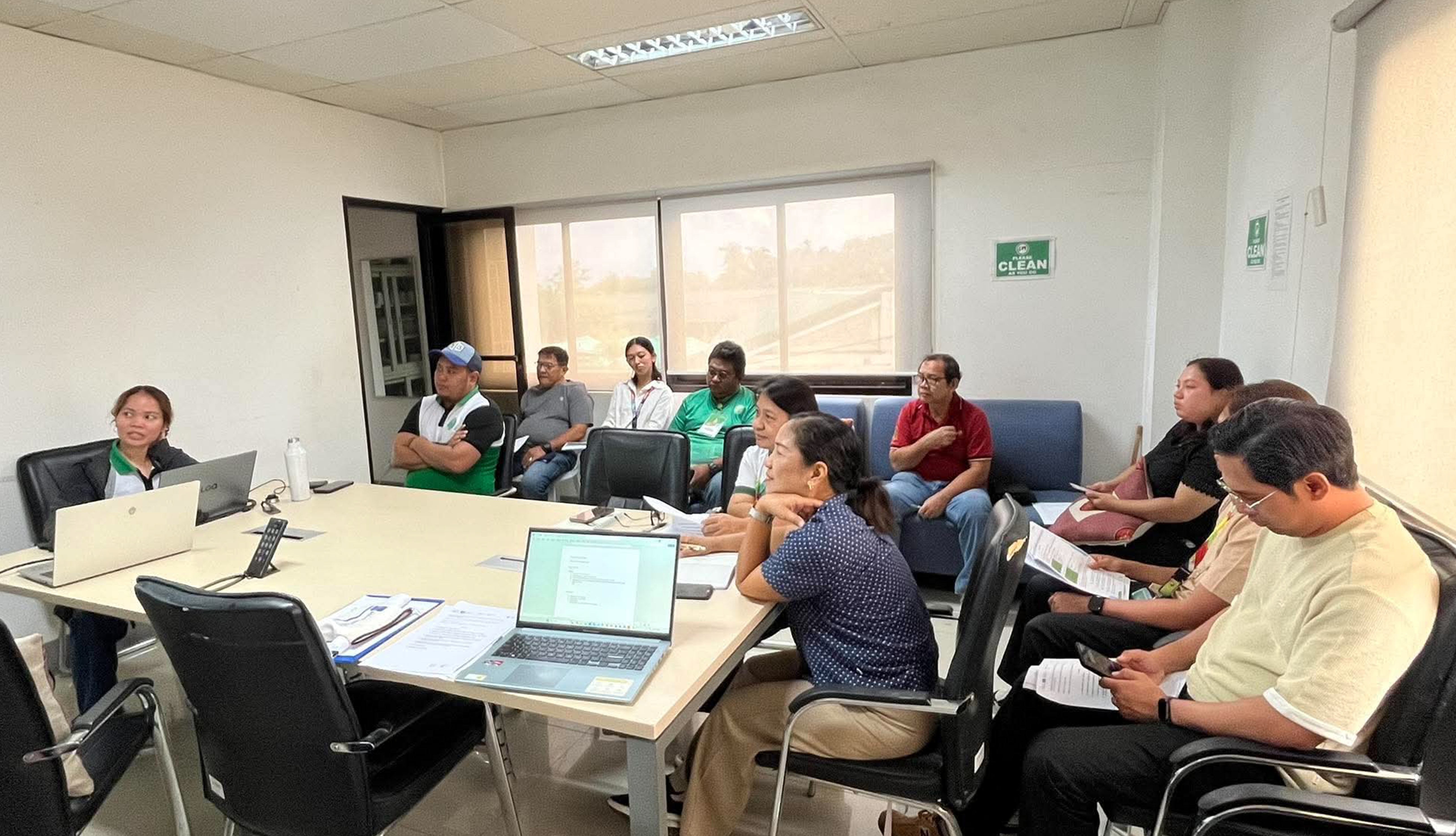
Meeting Highlights
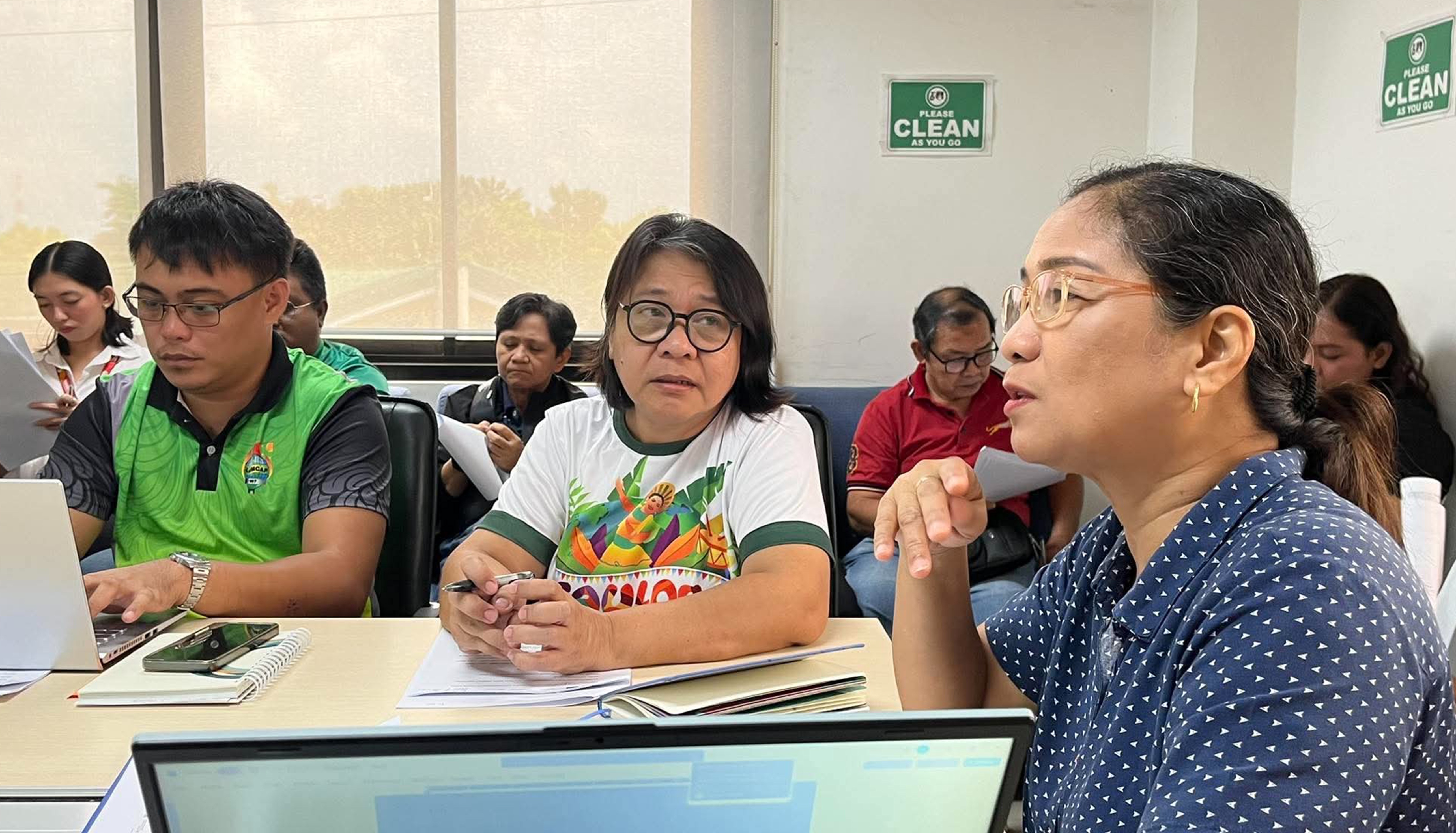
The 2nd Coordination Meeting was attended by 18 project partners and stakeholders, representing various offices of the Tagbilaran City Local Government Unit (LGU), national government agencies, including the Department of Trade and Industry (DTI), the three demonstration barangays, and members of the City Solid Waste Management Board (CSWMB).
The meeting featured an orientation on the Monitoring, Evaluation, Accountability, and Learning (MEAL) Toolkit, facilitated by the project's MEAL Focal Person. The session highlighted monitoring and documentation mechanisms, progress tracking, stakeholder databases, community feedback, and the importance of evidence-based decision-making in ensuring project accountability and effectiveness.
Bohol Integrated Development Foundation (BIDEF) presented the timeline of activities and project accomplishments covering May to July 2026, including stakeholder mapping, waste worker and junkshop identification, project orientations, coordination meetings, and preparations for information, education, and communication (IEC) campaigns.
Key discussions focused on strengthening the participation of the City Government, junkshop operators, waste management workers, businesses, and Producer Responsibility Organizations (PROs) in the plastic recovery and recycling value chain. Participants also emphasized the importance of reviewing the challenges faced by junkshops, improving access to recyclable waste markets, and exploring practical solutions to support the recovery of both high-value and low-value plastics.
The meeting further highlighted the need to strengthen the organizational development and capacity-building initiatives for waste management workers and junkshop operators, alongside the proposed provision of equipment, tools, and machinery in coordination with the City Government and other project partners.
Participants also discussed the challenges affecting project implementation, including reporting requirements, dependencies on technical studies, and the need for reliable waste analysis data to inform local planning and decision-making.
Through strengthened coordination, community participation, and shared responsibility, BIDEF and its partners continue to work toward a more inclusive, resource-efficient, and sustainable plastic waste management system in Tagbilaran City.
About the EPR-Driven Project
The EPR-Driven Project aims support the implementation of a localized, inclusive, and circular plastic waste management system in Tagbilaran City, aligned with the principles of Extended Producer Responsibility (EPR) and the 10-Year Ecological SWM Plan. The project also promotes knowledge sharing and seeks to facilitate green investments and innovations from European EPR organizations, including sorting and recycling technologies, deposit return systems, waste tracking systems, and other plastic circularity and green packaging solutions.
The project is being implemented through a partnership between the Bohol Integrated Development Foundation (BIDEF) and the Participatory Research, Organization of Communities and Education towards Struggle for Self-reliance in Bohol (PROCESS-Bohol) under the European Union–Philippines Green Economy Partnership.
The European Union - Philippines Green Economy Partnership is a P3.67 billion (€60 million) priority programme of the European Union under its Global Gateway initiative - the European strategy engaging with partners globally and promoting investments around shared priorities such as the transition to a green economy. Led by the Department of Environment and Natural Resources (DENR), this programme links European and Filipino partners from the private sector and the local government to foster a circular economy while sustaining economic growth that benefits all Filipinos. The Policy and Alliances component of the programme – co-funded with a €12 million grant from the European Union and a €1 million contribution from the International Climate Initiative of the German Federal Ministry for the Environment, Climate Action, Nature Conservation, and Nuclear Safety and implemented by GIZ Philippines and DENR-Environmental Management Bureau – supports policy development and fosters strong partnerships.